Showing posts with label Wildflowers. Show all posts

Sunday, 1 November 2020

Lockdown Walks, a Retrospective. 16th-19th May 2020

16th May 2020

Crich Trig Point.  

I strolled down to the Cromford Canal on my own, and then up through Lea Wood on a grey day, water standing in puddles around. The trees were thick now and there were few splashes of colour in the herb layer. I made my way along a fenced path across a parkland estate, ascending to the village of Upper Holloway, signs proclaiming its status as a 'village in bloom,' Its gardens were bright and alive with vivid cultivated flowers, and the paths and alleys on which I continued my ascent were lined with wild Forget Me Nots and Comfrey and Bluebells.

Bluebells in Upper Holloway. 


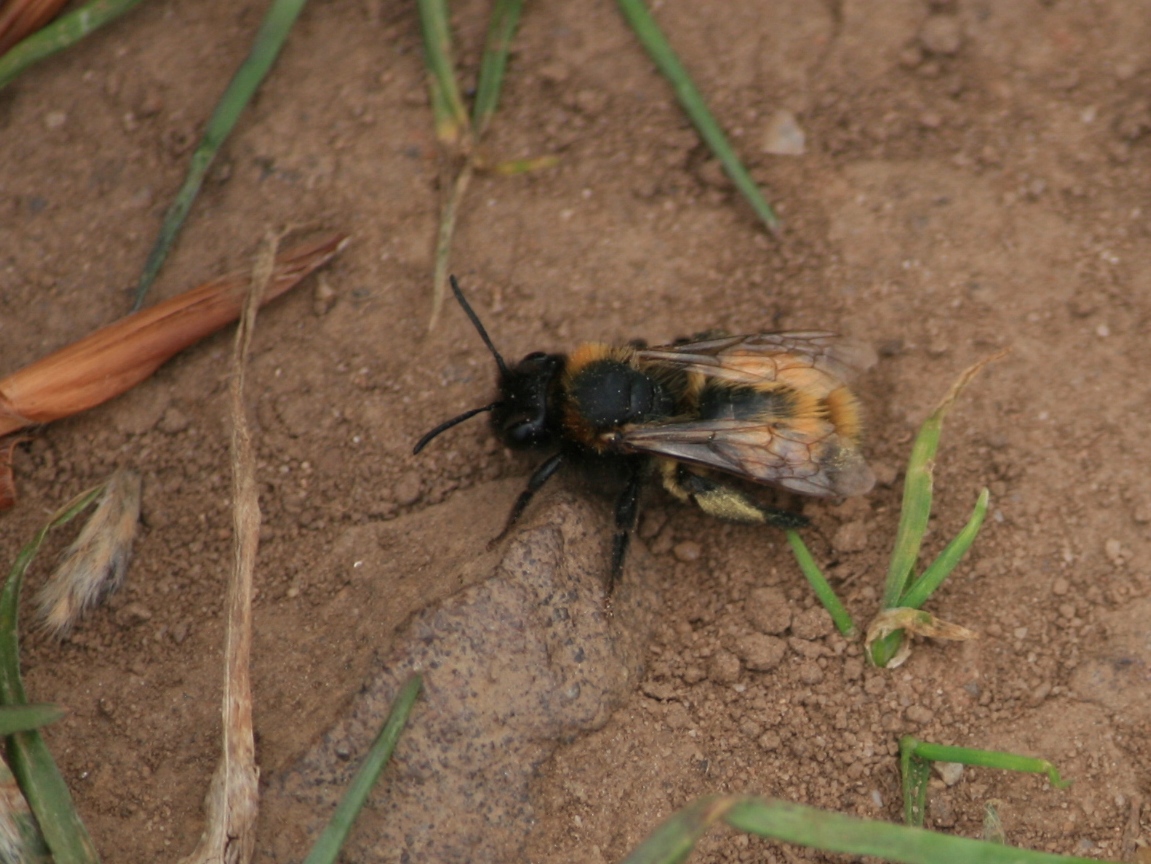
Mining Bee spp. Seen near Upper Holloway. 

After crossing a few sheep fields, as the clouds parted I joined the curving path from the road to the memorial and the trig point. The smell of may blossom filled the air. A Spotted Flycatcher and a pair of Bullfinch were about. I crossed the tracks of the Crich Tramway village, where, in different times, preserved trams take visitors on short rides.

Spotted Flycatcher at Crich. 


Now I must confess I hadn't known what the Pepperpot building which looks down on Matlock and Cromford from its commanding hilltop to the East actually was. A distinct landmark, unknown. It is a memorial to the soldiers of the Sherwood Foresters, a British Army regiment whose soldiers hailed from the Midlands. The men of the regiment served bravely in the First and Second World Wars, the unit's name is inscribed on many a war memorial hereabouts.   The memorial can be seen for several miles, and the views from the hill are commanding. Belper, Derby and the wider countryside spread out below me. I wasn't the only one there. A couple embraced on the grass beside the memorial. A sombre looking man respectfully took down the flags which flew at the site entrance for safe keeping as evening approached. 

View from Crich. 

Sherwood Foresters Memorial. 


I hung out with a handsome crow for a while, and had my lunch, and drank in the expansive vista, and some tea, and then I headed down again, via further woodland, where some fellow walkers were looking for a site used in the filming of the Children's drama 'Stig of the Dump.' I regret only the book was a part of my childhood, the 1981 and the 2002 versions both neatly avoiding me. 


Did Stig of the Dump wander among these Ramsons? 


I reached the Cromford Canal again as the sun was setting, and walked back, fish spotting. A huge, lone Perch, a neatly striped fish with two big dorsal fins more familiar as shoaling juveniles, big enough to be an ambush predator, hung motionless in the water. A few hundred yards on, I watched a Little Grebe fishing in the clear water, astounded by the speed they can do underwater. My word those things are fast. The terrors of the minnows. Clouds of Mayflies were hatching and danced in the evening sun over the water. 

Mallard on Cromford Canal. 

Mayfly Hatch on Cromford Canal. 

As I strolled back over the hills I reflected on how far I had just walked. 


Birds Seen: Canada Goose, Mallard, Tufted Duck, Little Grebe, Buzzard, Moorhen, Black Headed Gull, Lesser Black Backed Gull, Woodpigeon, Jay, Magpie, Jackdaw, Carrion Crow, Raven, Blue Tit, Great Tit, Swallow, House Martin, Long-Tailed Tit, Chiffchaff, Blackcap, Wren, Nuthatch, Blackbird, Song Thrush, Mistle Thrush, Spotted Flycatcher, Robin, House Sparrow, Dunnock, Grey Wagtail, Pied Wagtail, Chaffinch, Bullfinch, Goldfinch. 

Not Birds Seen: Brown Hare, Rabbit, Grey Squirrel, Brown Rat, Perch, Common Blue Damselfly, 

18th May 2020

Wirksworth to Carsington 

On a greyish, intermittently breezy day, I made my way via Stoney Wood, where abundant Dingy Skipper were on the wing despite the weather. There were a few fledgelings about, as Spring turns into Summer, a brood of robins up on the top path.  I continued down to Carsington, where the visitor facilities remained closed, that now familiar refrain, 'due to the Pandemic.' However a public footpath skirts the South-Eastern bank of the lake, according to my OS Map, and who am I to doubt it. It was curious to see the area around the visitor centre so abandoned, car parks empty and fenced off, Stones Island with its sculptures unattended, and the grass, normally host to families, noisy youngsters and playful dogs, now totally and utterly reclaimed by Canada Geese. Though a few small crowds of humans were pootling about, as well as the odd jogger, the Reservoir seemed to belong largely to fluffy Goslings and Spotted Flycatchers.  Willow Tits had fledged youngsters, encouragingly. This is a scarce species which seems to thrive at Carsington.


This walk was among the first in which no year nor lockdown bird list ticks were had. A Great Crested Grebe floated with some striped 'humbugs,' the distinctive young of this charismatic and familiar  water bird. 

Stoney Wood Bird Sightings: Jay, Jackdaw, Great Tit, Swallow, Nuthatch, Robin + Fledgelings, Goldfinch (Singing) 

Stoney Wood Butterfly Sightings: Dingy Skipper (5), Green Veined White (2) 

Carsington Water Bird Sightings: Canada Goose, Barnacle Goose, Greylag Goose, Mute Swan, Gadwall, Mallard, Great Crested Grebe, Grey Heron, Cormorant, Buzzard, Moorhen, Coot, Oystercatcher, Lapwing, Black Headed Gull, Common Gull, Lesser Black Backed Gull, Woodpigeon, Swift, Great Spotted Woodpecker, Magpie, Jackdaw, Carrion Crow, Willow Tit (+Fledgelings), Blue Tit, Great Tit, Skylark, Sand Martin, Swallow, Long-Tailed Tit, Chiffchaff, Reed Warbler, Whitethroat, Blackbird, Song Thrush, Spotted Flycatcher, Robin, Redstart, Dunnock, Pied Wagtail, Meadow Pipit, Chaffinch, Bullfinch, Goldfinch, Reed Bunting. 

Mammals: Grey Squirrel, Rabbit. 

Butterflies: Large (Cabbage) White, Green Veined White, Brimstone. 

19th May 2020

A Stroll to Bolehill (Contains description of predation) 

A breif hour or so out of the house in beautiful sunshine brought the unexpected. Beneath an old, gnarled Oak tree beside the footpath, a few small birds were feeding on the ground, a typical mixed crowd of tits and finches. A Great Spotted Woodpecker dropped in, I assumed to join them in preying in whatever small insects could be found there. Repeatedly it stabbed the ground, as the smaller birds took flight, chattering, and then it was up, with a small dead bird in its bill. Downy feathers drifted on the breeze. The bird, a Great Tit, was unceremoniously hammered into a crack in the bark by the Woodpecker's bill. The Woodpecker returned twice during the following ten minutes or so to peck at the carcass. An adult Great Tit was in the area with a food parcel for its youngster, one can but hope others survived. Passerine alarm calls abounded throughout.  Woodpeckers are not unknown to take young birds, hammered out nest boxes are a telltale sign of Great Spotted Woodpecker predation, but this was the first time I had witnessed it with my own eyes, and not of nestlings either, but of a fledgeling.

Distant view of the Woodpecker enjoying its meal. 


Plenty of other birds were busy with the business of raising chicks. Blue Tits fed chicks in a nest box on the wall of a house in Bolehill Village. A newly fledged Woodpigeon hassled a weary looking parent for food in a street tree, and robins were busy stuffing invertebrates into the yellow gapes of speckled fledgelings.


Friendly Sheep


I returned to the path beside the farm buildings, Ash Tree Farm or some such, and passed through a field of friendly sheep.  As I crossed the Ecclesbourne Valley Railway, a Sparrowhawk flew over, a kill in its talons. Swifts whistled joyously in the clear blue sky, themselves predators on the aerial 'plankton.' 

Birds Seen: Sparrowhawk, Woodpigeon, Swift, Great Spotted Woodpecker, Magpie, Jackdaw, Carrion Crown, Coal Tit, Blue Tit (+nest w/ young) Great Tit (+Fledgelings, one eaten by GSWP) Swallow, Blackbird, Robin (+Fledgelings) Dunnock, Chaffinch, Goldfinch


Saturday, 24 October 2020

Lockdown Walks, a Retrospective. 9th-15th May

 9th May 2020

Cromford, Groaning Tor, Middleton Top. 

I strolled from Wirksworth up through the National Stone Centre and around Gang Mine Nature Reserve, where the mountain pansies bloomed, vivid yellow. The swifts were now abundant, with plenty of birds screaming and whistling through the heavens and over the undulating mining landscape of lead spoil and ancient workings.


Mountain Pansies at Gang Mine


Bluebells at Rose End Meadows.


I continued via the Dene Quarry footpaths, where I had a fleeting glimpse of a butterfly which may have been a wall, and through a Rose End Meadows, now carpeted with bluebells. Surprisingly, having seen it alive with migrants not too long ago, it was now fairly bird quiet, and I descended via a disconcertingly steep path to the small river beside the Via Gellia, before ascending through wet grassland and woodland to a rocky escarpment, called 'groaning tor' on my OS map. I found it rather impressive. I picked up the path to Middleton, and saw more of the apparently locally ubiquitous Redstarts, and was briefly confused by a horse in a zebra costume. A friend tells me the stripes deter biting flies, hypothesised as one possible advantage of the markings of real zebra.

Horse in a Zebra Costume. 


I reached Middleton, and decided to pick up the 'circular walk from Middleton Top.' This crosses more farmland, young woods of hawthorn, birch and blackthorn, and boasts lovely views across the valley. A Brown Hare was in the farmland, watching attentively, but not fleeing. In the Hawthorn woods the Wood Anemone had begun to go over, some of the white-pink blooms beginning to wilt or brown, but they were still an impressive carpet. I rounded the woods and joined a disused entrance track. after a few wrong turns, and impressive views of some remarkable disused quarry equipment, tunnels hewn into rock, I reached the loops' road section. This section of road could be a challenge to walkers on a busy day when the quarry lorries are on the move.
A tractor appeared to be spraying fertiliser on the fields above. Small Tortoiseshell butterflies, many of then slightly tatty from age basked on the dry stone wall, occasionally taking off to flirt with each other, or even a passing female Peacock Butterfly.

Small Tortoiseshell


I walked across middleton moor and descended once again via the National Stone Centre. 

Birds Seen: Buzzard, Black Headed Gull, Stock Dove, Woodpigeon, Collared Dove, Swift, Great Spotted Woodpecker, Jay, Magpie, Jackdaw, Blue Tit, Great Tit, Skylark, Sand Martin, Swallow, Chiffchaff, Blackcap, Whitethroat, Blackbird, Mistle Thrush, Robin, Redstart, Dunnock, House Sparrow, Pied Wagtail, Meadow Pipit, Chaffinch, Linnet, Goldfinch. 

Mammals: Brown Hare, Rabbit.

Butterflies Seen: Peacock, Brimstone, Green Veined White, Orange Tip, Speckled Wood, Dingy Skipper, Small Tortoiseshell. 


11th May 2020

Wirksworth and Bolehill

I took a bimble up the hill to the trig point on Cromford Moor, and strolled along a trail marked out by blue posts, passing relaxed cattle, moving between regenerating moorland on clearfelled forestry land, and young and mature pine plantation. Willow Warblers and Chiffchaffs were busy among the pines. Swifts zipped about ahead of the weather under an increasingly angry sky, which changed rapidly between blue, and the colour of old lead. I even enjoyed a brief hail shower. 
Cromford Moor is an interesting little patch. Though no access is marked on the OS map it is entirely possible to walk round it, and many do. Worth more of my attention, this spot, I think. 

Birds Seen: Mallard, Buzzard, Black Headed Gull, Herring Gull, Swift, Jackdaw, Carrion Crow, Coal Tit, Great Tit, Swallow, Willow Warbler, Chiffchaff, Whitethroat, Wren, Blackbird, Song Thrush, Robin, Grey Wagtail, Pied Wagtail, Goldfinch. 

12th May. 

Stoney Wood

I took a very brief stroll at Stoney Wood in the afternoon. A beautiful pair of Bullfinch foraged together. Bullfinch are almost always seen in pairs. They are rather romantic like that, foraging together as a pair even during the breeding season. 
Jackdaws flew over carrying nesting material, perhaps for mid season repairs or ahead of a second brood. Corvids breed early. In the low scrub lurked a small, brown, speckled creature, my first fledgeling Robin of the season. Robins, presumably the parents of this little youngster, squabbled with goldfinches over the bird feeders in a neighbouring garden. 

Birds Seen: Black Headed Gull, Woodpigeon, Swift, Jackdaw, Coal Tit, Great Tit, Long Tailed Tit, Chiffchaff, Nuthatch, Blackbird, Robin, Dunnock, Bullfinch, Goldfinch. 

Mammals: Grey Squirrel. 

13th May

Wirksworth-Alport-Idridgehay Envrions. 

A stroll up to Knob Lane was taken in search of Curlew, which I had encountered up here a few days earlier. Not sight nor sound of these melodious and enigmatic waders was had. I took the footpath down into the Amber Valley behind Alport Heights, where a Red Kite, a rather special lockdown 'tick' soared overhead. These magnificent birds are comeback kings, common scavengers even in cities 200 years ago, before they were methodically exterminated, reduced to a tiny population in North Wales by the mid 20th century, where sympathetic landowners allowed them to thrive quietly, then reintroduced, most famously in South Oxfordshire but at several sites in England and Scotland, at the close of the 20th century. When I was a kid they defined the rare and persecuted raptor. Now they are breeding in almost every English county, and there are records of them from Central London. Mobbed by crows this magnificent scavenger floated above the mid Derbyshire Countryside, as if his species had never left. He was a joy to see.


Red Kite near Alport Heights


Moving from the Derbyshire Dales to the Amber Valley, the quality of footpaths rather declined. It is unclear whether this is the result of differing priorities between the councils, or differing landowner attitudes, but the change across this political boundary was notable and distinct. Eventually I found the Ecclesbourne Way, a route promoted by the Ecclesbourne Valley heritage Railway, and walked beside the brook. Agricultural runoff rendered the brook somewhat cloudy, and it proved disappointing in terms of birds, though a magnificent Grey Heron took flight. I ascended again through the beautiful Gibbet Wood, the light of a fading sun peering between the trees, a tiny brook babbling its progress down to the Ecclesbourne. 

I descended via New Buildings and Gorsey Bank, the Dandelion fields now fully gone to seed, spherical 'clocks' of grey fluff replacing the yellow blooms. I continued through Folly Well to Gorsey Bank, and back into Wirksworth


Birds Seen: Grey Heron, Red Kite, Buzzard, Black Headed Gull, Lesser Black Backed Gull, Stock Dove, Woodpigeon,  Collared Dove, Swift, Magpie, Carrion Crow, Blue Tit, Great Tit, Skylark, Swallow, Chiffchaff, Whitethroat, Wren, Nuthatch, Blackbird, Song Thrush, House Sparrow, Pied Wagtail. 

Mammals: Brown Hare, Rabbit, Grey Squirrel. 

14th May 2020

Bolehill Environs

I took a stroll up to Bolehill and around the blue trail once again, on a gloriously sunny evening. Meadow Pipits sang in stereo from every dead tree and stump among the recovering moorland, in the golden light. Their chorus was joined by truck horns and distant rumbles, shattering the tranquility of the moors. It was Thursday, and the truck horns someone's thoughtful contribution to the weekly applause for the NHS and carers.

Meadow Pipit singing on Cromford Moor. 


Birds Seen: Buzzard, Woodpigeon, Sift, Wagpie, Jackdaw, Coal Tit, Blue Tit, Great Tit, Swallow, House Martin, Long Tailed Tit, Willow Warbler, Chiffchaff, Whitethroat, Blackbird, Song Thrush, Robin, Dunnock, Meadow Pipit, Chaffinch, Goldfinch. 

15th May. Wirksworth to Kirk Ireton. 

Natalie and I made our way down through Miller's Green, down to Kirk Ireton via the footpaths associated with Dark Lane, on a bright afternoon. My route through the fields and Half Moon Lane was deemed unduly circuitous. We passed plenty of Pheasants and saw some Red Legged Partridges, and buzzards soared. So many of the passerines we saw were now carrying food parcels to hungry chicks. We could hear the peeps of nestlings too, many of them now well grown. Chiffchaffs and Whitethroats were vociferous. Unfortunately the farmers had been out spraying again, and many of the fields close to Kirk Ireton bore its wilted signature. However this did not seem to have immediately affected the birdsong. 

On the pond near Miller's Green, a carp fishery, were baby Moorhens, and worker Early and Buff Tailed bumblebees, the small 'baby bees' which appear at this time of year, were busy on any thistles. A Nuthatch startled as it flew from a garden feeder past my face, a blue-grey flash across my field of vision. A newly fledged House Sparrow was looking for the power of flight, testing its wings on short hops from the ground near Haarlem Mill, and Swifts wheeled and whistled overhead.


Song Thrush. 


Birds Seen: Greylag Goose, Mallard, Red Legged Partridge, Pheasant, Buzzard, Moorhen, Woodpigeon, Swift, Magpie, Carrion Crow, Blue Tit, Swallow, Chiffchaff, Blackcap, Whitethroat, Wren, Nuthatch, Starling, Blackbird, Song Thrush, House Sparrow, Dunnock, Bullfinch, Greenfinch, Goldfinch. 


Thursday, 22 October 2020

Lockdown Walks, a Retrospective.

 6th May 2020

I took a brief afternoon stroll in Stoney Wood, the little local greenspace in a disused quarry I have visited many times, for an informal bird and butterfly survey. Here I witnessed predation, nature, in all its shocking glory. 

The prey, fast, agile, and undeniably beautifully marked, was flying at treetop height, and clearly very aware of the danger it was in, jinked and turned aerobatically, in a desperate attempt to escape the snapping mandibles. The predator, faster, but not as agile, hung briefly in mid air, before locking on again with its sharp vision, darted and snapped again, and missed again. They prey had almost reached cover, but changed direction, and this loss of speed afforded the predator another chance, and this time, with an audible snap, the sharp bill found its mark. The Spotted Flycatcher returned to its perch in the scrub with the Peacock Butterfly flapping desperately in its tight grip. The bird struck the insect against a branch several times, until the manic struggling ceased. Then it shook its head violently, and the four jewelled wings of the butterfly fluttered to the ground like falling leaves, and the bird devoured the body, a small, sad morsel but of course a substantial meal to the tiny bird. 
Peacock Butterfly. Not the one in this story but one in Cambridgeshire in August.


This horror aside, the weather was still glorious and there were plenty of butterflies on the wing, including several Dingy Skipper, and Robins, Whitethroats and Willow Warblers, insect killers all, sang melodiously to the summer sky. 

Birds Seen: Black Headed Gull, Stock Dove, Woodpigeon, Swift, Jackdaw, Blue Tit, Great Tit, Willow Warbler, Chiffchaff, Whitethroat, Blackbird, Spotted Flycatcher*, Dunnock, Goldfinch. 

Butterflies: Orange Tip, Peacock (alive and dead) Green Veined White, Dingy Skipper. 


Orange Tip Butterfly near Kirk Ireton.


8th May 2020

 Wirksworth to Carsington via Kirk Ireton

I strolled along footpaths from Summer Lane, where the housing on the Southern fringe of Wirksworth gives way to farmland. I crossed the open fields and climbed up to half moon lane, which was quiet and offered beautiful views over the Ecclesbourne Valley. The roadside vegetation was well grown and butterfly infested. A Sparrowhawk soared as racing pigeons took their daily exercise from someone's loft. Swallows and Martins wheeled above a farmyard. I arrived in Kirk Ireton, and was surprised to find the human population out and about, celebrating VE day in the streets, a dose of normality, but still a surprise. 

After a couple of wrong turns, I think I had been aiming for the Trig Point called The Mountain, I found myself unexpectedly stood beside Carsington Water, not far from the Millfields car park. A beautiful Garden Warbler sang on the Hawthorn, and the Black Headed Gull colony was typically noisy. A few Lapwings and a single Redshank waded in the shallows. A pair of feral Barnacle Geese were on the gull colony island and one appeared to be incubating.  Long Tailed Tits foraged in the shrubs, gathing beakfulls of insects for their waiting chicks.


Long Tailed Tit at Carsington Water. 


I returned via Kirk Ireton once again, through sunny fields full of butterflies and horses, and filled my empty water bottle with takeaway beers from the pub there. I sat in a field on the way back and raised a glass to the men and women of 1945.


Garden Warbler at Carsington Water


Returning in near darkness I saw hares close to where the footpath crosses the Alderwasley Hall School site. The vegetation here was a sad sight, the farmer appeared to have sprayed herbicide on nearly everything, and wildflowers and nettles alike drooped forlornly. I crossed the Ecclesbourne Brook and returned to Wirksworth through Miller's Green. A pond, signposted as a fishery, beside the road reminded me how I was still discovering this town, I had not known it existed. 

Birds Seen: Canada Goose, Barnacle Goose, Greylag Goose, Gadwall, Mallard, Tufted Duck, Pheasant, Great Crested Grebe, Sparrowhawk, Moorhen, Coot, Lapwing, Redshank, Black-Headed Gull, Lesser Black Backed Gull, Swift, Stock Dove, Woodpigeon, Collared Dove, Magpie, Jackdaw, Carrion Crow, Blue Tit, Great Tit, Swallow, House Martin, Long Tailed Tit, Chiffchaff, Blackcap, Garden Warbler, Whitethroat, Blackbird, Mistle Thrush, Robin, Pied Wagtail, Chaffinch, Greenfinch, Goldfinch. 

Butterflies seen: Green Veined White, Orange Tip, Speckled Wood, Red Admiral, Small Tortoiseshell, Peacock. 

Mammals Seen: Rabbit, Brown Hare. 

Friday, 21 August 2020

Lockdown Wanderings (A Retrospective) 17th-24th April

 Wirksworth-Middleton Top-Carsington Water 17th April 2020

A sunny day but with strong winds at the tops, and around the high peak trail, but cooler than the past few. 

Despite the hide closures and the lack of visitor amenities, the public footpath sections of Carsington's trails were open. I strolled down from Middleton Top into Carsington/Hopton Village, where the verges bloomed with Forget Me Nots and Dandelions, attended by Tree Bumblebees and a few small Andrena spp. Most of the trees down here are not yet in full leaf. 
Carsington's birds were mainly passerines, with most of the winter waterfowl apparently moved on. Blackcaps sang spiritedly and wrens darted low back and forth across the paths, presumably with hungry gapes to feed. Hirundines wheeled and Lapwings displayed, issuing their strange, electronic sounding whistles. 
My intended route home was blocked by a footpath closure- it passed through the garden of some self-isolating people, so I returned by the same route along which I arrived. There were a pair of Redstarts in the bushes near Middleton Top. 
Additional interest was provided by flypasts from a single member of the RAF Red Arrows display team, a single jet screaming through the sky, low over Carsington Village. 


Birds Seen: Canada Goose, Tufted Duck, Mallard, Pheasant, Great Crested Grebe, Buzzard, Coot, Oystercatcher, Lapwing, Redshank, Black Headed Gull, Great Black Backed Gull, Lesser Black Backed Gull, woodpigeon, Collared Dove, Kestrel, Coal Tit, Blue Tit, Great Tit, Swallow, House Martin, Long Tailed Tit, Chiffchaff, Blackcap, Wren, Nuthatch, Blackbird, Song Thrush, Robin, Redstart, House Sparrow, Tree Sparrow, Dunnock, Pied Wagtail, Chaffinch, Greenfinch, Linnet, Goldfinch. 

Wirksworth to Alport Heights, 20th April 2020

Natty and I strolled South out of Wirksworth along Prathall Lane, taking a detour to Moor View Farm through the small woods. There were a few Swallows zipping about around the farm buildings, and plenty of pretty, chirpy Linnets in the fields adjoining Hay Lane. We continued along the narrow country lanes to Alport Heights, pausing to giggle at Knob Lane.
Sadly lots of litter had accumulated around the Alport Heights car park, which was currently closed, but we enjoyed stunning views over the rolling hills of South Derbyshire. Willington and Drakelow Power Stations loomed large to the south. Alport Heights is something of a local tourist destination, where people come to park up and enjoy the view. Irritatingly, the Trig Point at Alport Heights was locked into a fenced compound with the mobile phone masts.


We returned via Prathall Lane again, where Orange Tip Butterflies fluttered and Wild Garlic bloomed beside a babbling brook at Folly Well. Returning to Wirksworth over the bridge across the Hannage Brook I had a surprise, eye to eye encounter with a pair of chiffchaffs, the male continuing to sing just a metre or so from my face. 

Birds Seen: Pheasant, Sparrowhawk, Buzzard, Black Headed Gull, Lesser Black Backed Gull, Stock Dove, Woodpigeon, Great Spotted Woodpecker, Kestrel, Magpie, Jackdaw, Rook, Carrion Crow, Blue Tit, Great Tit, Swallow, Long Tailed Tit, Chiffchaff, Song Thrush, Mistle Thrush, Robin, House Sparrow, Dunnock, Chaffinch, Greenfinch, Linnet, Goldfinch. 

Wirksworth - Bolehill - Black Rocks - Dene Hollow - Gang Mine - Middleton Village - Wirksworth 22nd April 2020

An interesting one, strolling from Wirksworth up to Bolehill, where a single House Martin circled, then continuing to Cromford Moor, where a surprisingly confiding Willow Warbler was in a Silver Birch. I began to descend via Black Rocks, and took up the path to Gang Mine Nature Reserve. Sadly there were some dog idiots about here and their menacing charges were off lead and running amok. The grassland at Gang Mine, which hosts remarkable botany, nationally scarce Mountain Pansy and Alpine Pennycress, thriving on the lead spoil which would be toxic to many of their competitors, and a diverse insect flora including mining bees, could also support ground nesting birds if only dog walkers could stay away.  Irritated, I continued to Middleton, passing the town's recreation ground. Since closure it has become a beautiful riot of Dandelions and forget me nots, the abandonment of mowing giving way to a feast of wild flowers.


Taking in some good views of the town, I continued up onto Middleton Moor, where Skylarks sang,  Meadow Pipits argued over breeding rights and nest sites, and Swallows zipped across the grass at speed. 
The weather was fine, with a cooling breeze in the high places. Orange Tip, Large (a beautiful 'cabbage classic') and Small White, were on the wing, with Peacock and Small Tortoiseshell. The Blackthorn on Gang Mine had begun to go over, brown petals falling as the shrubs came into leaf, and the Wood Anemones have begun to fade, but the Bluebells and Forget Me Nots had grown in intensity. 

Birds Seen: Pheasant, Buzzard, Stock Dove, Sparrowhawk, Woodpigeon, Collared Dove, Kestrel, Jackdaw, Raven, Carrion Crow, Blue Tit, Great Tit, Long-Tailed Tit, Skylark, Swallow, House Martin, Willow Warbler, Blackcap, Blackbird, Robin, House Sparrow, Dunnock, Meadow Pipit, Chaffinch, Goldfinch, Linnet. 

Middleton Top Long Loop, 24th April 2020

Natty and I walked up to Middleton Top via Stoney Wood and Middle Peak Quarry. We saw our first Whitethroat of the summer, performing his song flight. He descended slowly and loudly from the heavens to take up his position atop the scrub. We continued to the trig point at Middleton Top, access to which is somewhat ambiguous, where we enjoyed the 360° view from there, taking in the range of local habitats and geologies. Here Natty and I parted company for the evening, among the cowslips above Middleton Top Cycle Hire, having enjoyed further aerial virtuoso performances from Skylarks and Meadow Pipits. 

I continued with a circular walk around Middleton Top, taking in views of the village, then continued through the young Hawthorn woods with their abundant Wood Anemone- these still looking stunning, and bluebells. My visit took in an abandoned quarry, along unofficial paths cut by mountain bikers. The quarry workings were impressive, tunnels of varying ages were cut into the rock. A short stretch of road brought me to a footpath through a farmyard, where I apologised for the intrusion as the family were enjoying a barbecue. I walked past dry stone walls, where increasingly tired Small Tortoiseshell butterflies competed for each other's attention, and that of peacock butterflies, across fields,  and then returned to the High Peak Trail and retraced my route home. 


Birds Seen: Pheasant, Buzzard, Stock Dove, Woodpigeon, Kestrel, Jackdaw, Carrion Crow, Raven, Blue Tit, Great Tit, Skylark, Long Tailed Tit, Willow Warbler, Chiffchaff, Blackcap, Whitethroat, Wren, Nuthatch, Treecreeper, Blackbird, Song Thrush, Robin, Meadow Pipit, Chaffinch, Bullfinch. Goldfinch. 


Monday, 9 July 2012

Heybridge Basin


Saturday afternoon took me and my good friend Becky up to Heybridge Basin near Maldon, in the car to hone my driving skills. It lies where a canal meets the River Blackwater, effectively the estuary of the river Chelmer in North Essex.  We parked up in the free, council run car park on a grey afternoon, and wandered down a short length of canal to the village which stands beside the ‘basin,’ a sort of parking area and maintenance yard for canal boats. There were a number of Common Terns fishing around the spot where the fresh water of the canal passes through lock gates into the Blackwater.  A few black-headed gulls were there too, more powerful birds than the terns in many ways, which kept out of their way. The Black-headed gulls did not compete with the Terns in the grace and style stakes though, the forked tailed, almost angelic “sea swallows” made the larids look dumpy and inelegant. That said, the last time Bexx and I had met Terns, on a sunny day in Northumberland almost exactly a year previously,  they had attacked us. We were in the Farne Islands, and on one of the islands they just dive bombed any visitor stepping withing the colony, making contact with their beaks! Terns look pointy at the best of times. When they're going for the top of your head they are very pointy indeed. Today, however, they just allowed us to stand impressed by grace and fishing prowess. 

Beautiful Common Tern.


The salt marsh which borders the estuary separating Hebridge from the historic town of Maldon was alive, the vegetation was green and though of course the wintering birds are long gone, and the Autumn passage migrants yet (but soon) to arrive in any numbers, the peeping calls of Oystercatchers regularly broke through, and, as we walked the sound of Gulls became louder. A lone Little Egret shook his feet in the shallow, muddy water, and moved with elegant high-stepping motion across the mud. He seemed to dislike having a camera pointed at him and was soon on the wing, steadily, almost casually, making his exit from view across the saltmarsh. 
Little Egret at Heybridge


A number of old sand or gravel pits near Heybridge, between the canal and the Blackwater, have been turned over to nature, and black headed gulls, apparently in their hundreds, have taken to nesting on the small, gravelly islands. Tufted Ducks were about, some of the males still in their striking black and white but some turning over into their duller eclipse plumage, as were some of the drake mallards which were about too. A few swallows were hunting insects, sweeping around near the waters surface and over its grassy margins, never appearing to cross the Blackwater.  A cormorant flew overhead, straight and true, a jet-black adult.  There were a few Whitethroats and Acrocephalus spp. warblers singing in the bushes and lakeside vegetation, but passerine activity was a little disappointing, a couple of greenfinches flew over our heads. I’d seen a cuckoo there a couple of years ago, with my father who always seems to find cuckoos, but there wasn’t one about today. This breeze probably wasn’t helping, and nor was the cold. 
View of the River Blackwater from Heybridge.

Maldon’s sea front is dominated by bright building fronts, an old church and the wide Marine Park, the fountains of which could be seen from across the river. A stretch of tidal river, lined with lush saltmarshes, separates it from Heybridge. Here a number of shelducks filter-fed in the mud, and a couple more of these lovely, big white and black ducks flew over. Shelducks congregate in Northern Germany to moult, evidently these birds had yet to leave, and retained their smart breeding plumage, which includes an iridescent green head and red bill, and a chestnut band around their chests, in both sexes.  These handsome birds specialise in life around river estuaries, and are common in places like this but scarce in other habitats, some wintering on gravel pits, but rarely far from the coast.
Maldon


Maldon is a pretty town, when viewed from back here, and today there was some live music coming out of it, apparently from one of the towns old pubs.  Its sea front is dominated by bright building fronts, an old church and the wide Marine Park, the fountains of which could be seen from across the river. As the sky began spitting rain on us, I wondered if a boat over the river would be a good plan.  We walked on, past several cute, small rabbits, and reached a bank of spectacular, and very photogenic wild flowers.  These bordered some new build housing, presumably a backwater of the one-horse town of Heybridge.  Perhaps they had been put down as a seed mix as mitigation for the loss of habitat resultant from the building. Poppies nodded in the wind, beside camomile and some of the most brilliantly electric blue cornflowers I have ever seen. The flowers were popular with bees, and I wondered if more invertebrate fauna might be forthcoming were the weather a little less grey, and becoming colder. 

A wildflower mix. Instant wildlife for developers.


Luckily the rain continued to hold off as we walked back up the canal to the free car park which stands by it. We passed the narrowboats on the canal, which looked far more charming than the millionaires’ motor yachts which sat alongside more elegant sailing craft in the Basin itself. Although the two, appropriately nautically-themed pubs looked appealing for a glass of branded cola and a warm up, we had a dinner invitation in Witham to take up. Oh yeah, because I can drive now. Which is win. 

Black Headed Gull at Heybridge Basin. These breed in substantial numbers on the old gravel pits. 

Sunday, 24 June 2012

Heaton Park, Manchester


I need to conclude the Manchester account before I end up with a massive backlog of trips to write up. I went to Heybridge Basin yesterday and Cranham Marsh today.  I’m going to keep it brief but I felt that Heaton Park, Greater Manchester, which I visited with Tom, is a remarkable enough green space to be worth a write up. It belongs to a generation of grand, landscaped parks, from the 19th century and calls to mind the Royal Parks of London, which it exceeds in size. It stands Heaton Hall, an old stately home used to accommodate aircrew on flying training during World War II, until recently open to the public, and now, unfortunately, unoccupied and looking worryingly forlorn.
Heaton House.

Reaching the park we decided to head up to something called the “animal zone” or some such, which turned out to be a collection of grubby farm animals in small enclosures. The highlight was watching the swallows flying in and out from under the eaves, busily attending their chicks, before rocketing out and into the sky in search of insects. Outside the run down looking stately home they alighted on the ground in pursuit of something we could not see. There were a couple of pied wagtails running about as well. 
Swallow at Heaton Park.


The park is a patchwork of long, rough grass, manicured lawn and copses. In the copses the green leaves of Himalayan balsam are in evidence, suggesting this invasive has a hold here, beside the stinging nettles and other flora. Whitethroats could be heard singing but few birds presented themselves among the leaves, those that did turned out to be blue tits. There were plenty of Rhododendrons, presumably planted there for their dramatic flowers, and they indeed looked spectacular. There were dog roses around as well. The woodland, clearly planted, had obviously matured, and spots around the sites main lake, where the Rhododendron lined gaps in the tree cover from which the pavilion could be seen across the water, was testimony to the skill and foresight of the landscapers.
View from the "Temple.""


On the lake we saw a crèche of Canada geese and goslings, and the waterfowl were dominated by Canadas and a number of feral, farmyard type Geese.  Feral Ducks mingled with wild Mallards and tufties. Some of the male mallards appeared to be losing their bright, breeding plumage, and their brown eclipse plumage, providing vital camouflage during the late summer/early autumn moult, was beginning to show through, as brown patches against the smart iridescent green of their heads and the grey of their flanks. A moorhen was feeding a fluffy chuck, and then, somewhat inexplicably, decided to chase it off. There were a few coots on the water, as well as a distant little grebe.
Moorhen and juvenile
Juvenile Coots.


We walked back up to the stately home and to the “temple” an observatory-like structure which may well have been used as such. From this, the highest point, according to interpretive signage, in Greater Manchester, much of the city was screened by woodland, but in front of us the Beetham Tower still loomed, an ever present sense of place.  We elected to try to and have a look at Heaton Reservoir, which appeared on our maps of the park, but we could not get there. Skirting round a barbed wire compound with communication aerials inside, we found ourselves in a patch of meadow which again hosted common spotted orchids.  Mistle Thrushes hopped about among the grass.  We wandered off through the woods until we came to the margins of a rough grassy area, grazed by a number of horses of various sizes and shades. A very handsome Sparrowhawk over our heads was a welcome addition to the Manchester bird list. 
Mallard moulting into Eclipse plumage.


At the tram station on the way home a juvenile blackbird posed for photos, before the tram made its way back among the red brick and new builds of Manchester. The city had offered an unexpected number of birding opportunities, we saw four species of Raptor including the Sparrowhawk here at Heaton Park, and the Peregrines blew us away. So keep your eyes out, if you find yourself up North, wildlife experiences can turn up quite unexpectedly!
Juvenile Blackbird at Heaton Park Station.

Saturday, 23 June 2012

More Mancunian Birding Adventures


The day after the day spent with Peregrines I took the opportunity to catch up with an old friend. Cheryl and I met in Greece working for the HOS and she had recently returned to town after some time away. We decided, in lieu of a proper plan for the day, to head down initially to the Irwell to have a look at the Peregrines. As we wandered down toward the river a couple of tweeting passerines flew over us, which transpired to be Goldfinches.  Reaching the river, we could, with bins, still see a couple of the slate grey juveniles up on their ledge. Here at ground level the feral pigeons still went about their business, oblivious to the predators perched high above them. Still fed by their parents, the juveniles seemed to be having it fairly easy, and did not seem bothered by the meals-on-wings service beneath. A couple of Black headed gulls hawked about above the water, and some Canada Geese and their Goslings sat contentedly on the bank.  We stood, and did a bit of urban birding.


A Mancunian Feral Pigeon

As we stood watching the raptors, a blue shape flew low across the water like a shot. A kingfisher? I thought so, although I couldn’t find it again. An orange shape in the bushes could have been the front of a kingfisher, but turned out to be that of a robin. Where we stood, literally, was in the centre of a city, one of England’s biggest, in the shadow of tower blocks and shopping centres. The water must’ve absorbed several shopping trolleys, and only one bank was vegetated, with Elder, Willowherbs and Buddleia, and this trampled to mud in places by the Geese who roost there. The other bank, made of concrete, plunges directly into the water. There was nothing about this place to make it a wildlife site, nothing tangible, it was just another grotty urban water course, brown and polluted.

A grey wagtail rose out from under the bridge and fluttered off across a hotel car park, flashing its yellow belly and the white edges on its tail to us as it climbed away. Perhaps it was nesting down there. The real star birds, however, were on the water. With dark brown heads, and substantial punky crests, a two Goosander, possibly two females or juvenile birds, swam out from beneath us and hauled themselves out alongside the Canada Geese.  The Goosander is a species of duck, a merganser, with a shape which calls to mind that of a cormorant. Its beak had tooth-like structures which grasp the fish on which it feeds, and is a lot thinner and narrower than the beak of a mallard or similar dabbling duck.  These two were lazy, and just hauled up next to the Canada geese. The Goosander is a bird I associate with wide bodies of water in winter. It occurred to us they might have escaped from some private collection, but according to the RSPB Goosander breed on the Irwell and at other places in the area.  Yet here they are, hanging out near a Peregrine nest in the middle of a city.


Goosanders and Canada Geese in Urban Manchester

It was heartening to see these birds thriving here in the city. It is a city somewhat impoverished with green spaces, although not around the outskirts as the rest of my visit would prove. Urban birding, David Lindo style, can reveal some interesting species. Positive management for wildlife in Manchester and other cities undoubtedly makes a contribution, as does the unlikely ability of some species to adapt to urban conditions.  It is worth noting that the Peregrines are here in part as a result of great efforts by the RSPB and other institutions.

After our urban experience Cheryl and I met up with my good friend Tom and headed off to the Chorlton Water Park on the bus. Despite the wonderful wildlife I was starting to get the mild crazies I do from being in a built up area for so long. The bus to Chorlton took about twenty minutes and we walked through the leafy residential streets to the River Mersey. Crows and anglers hung out on its banks and the ubiquitous Canada Goose was about but this river, despite its green banks, is somewhat less well managed than the Irwell on the edge of Salford. The emergent and marginal vegetation looked to have been cleared with a mower, leaving only stark, ugly sloping banks. There seemed to be no rhyme or reason to this nonsensical management.  Marginal vegetation is vital to most of the characteristic riverside wildlife, such as dragonflies which need the stems to haul themselves from the water, and water voles who use it as both food and shelter. It also helps to reduce the power of flowing water and minimise the risk of flooding. Mindless vandalism would be a good word to describe the management of this stretch of the Mersey, or perhaps it is part of a plot with the Manchester rain to cause heavy flooding in Liverpool.

For the sake of completeness, dire management on the River Mersey.

And Better. Chorlton Water Park LNR.

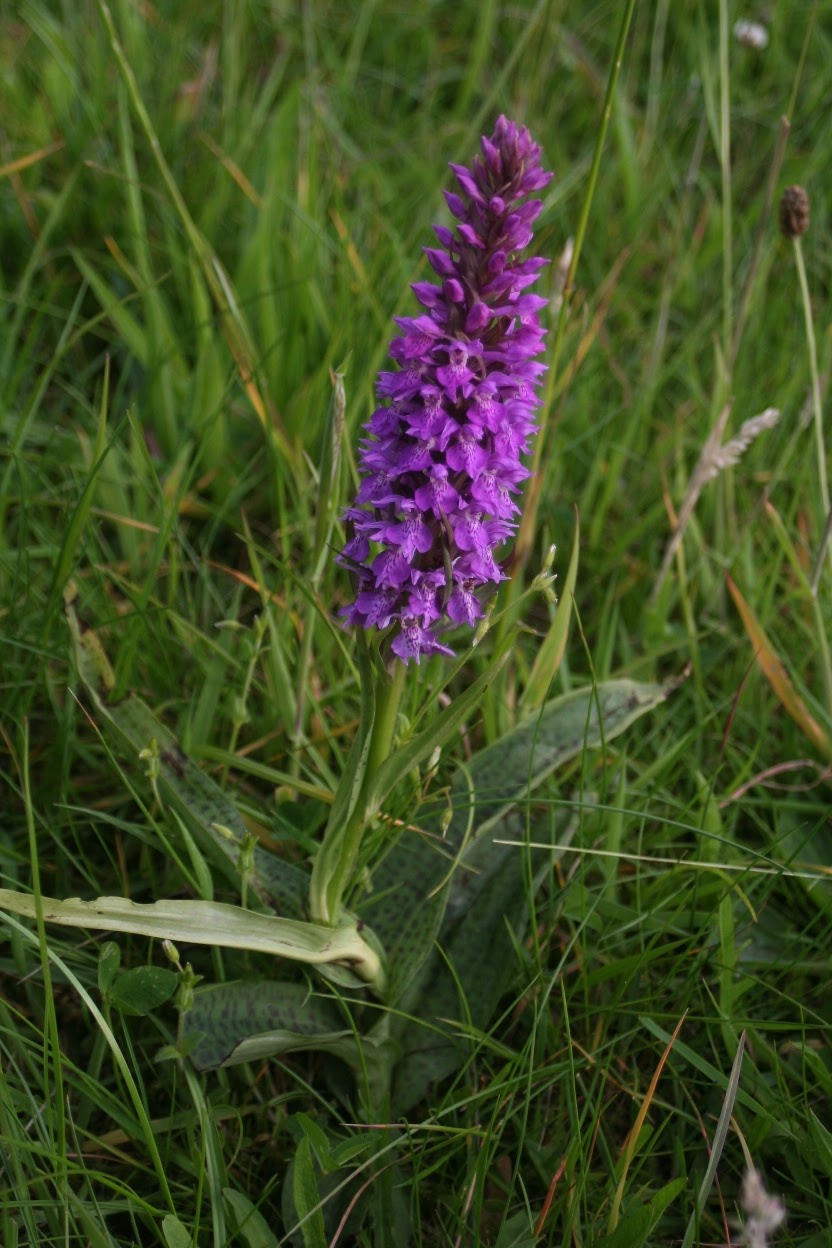
An exit to the right took us into Chorlton Water Park, where woodland fringed a pleasant, clear park lake. A flotilla of Canada geese occupied the open water. There were a couple of Great Crested Grebes about, a few coots, moorhens, mallards.  The water was quiet as would be expected at this time of year. The male mallards which were present had begun their transformation into camouflaged “eclipse” plumage, to hide them during their moult. The margins of the lake were intact, and, despite the obligatory passing idiots allowing their dogs into the water, management here was good. A walk round the lake, beer in hand, enjoying the rare burst of sunshine that afternoon, was lovely. Tadpoles, some almost developed into froglets swum, or clung to vegetation and stones, in the clear water. The margins at one corner of the lake were fringed with reeds, in which a Sedge Warbler sang frantically.   From the bushes whitethroats, too, could be heard. The banks were covered in wild flowers here, and Common Spotted Orchids grew among the usual clover and Ox Eye Daisies, attended by Silver Y Moths, and a couple of unidentified blue butterflies. They made a floral feast for the eyes. Common Spotted Orchids have spotted leaves and stunning purple inflorescences. 
Common Spotted Orchid

A few Swifts and Sand Martins whistled about in front of us over the water.  A kestrel hovered somewhere and a grey heron flew past on broad, slow wingbeats. On the water we could see a large, white looking duck. On closer inspection it proved to have a Green head and a narrow red beak. A male Goosander! Unfortunately he was too distant to give us a decent picture, but remarkable to encounter this species twice in  one day.

As we walked down to the river, in the fading light and heading towards the pub,  a large bird of prey rose up from in the nature reserve, pursued by a mobbing Carrion Crow. It was a Buzzard. Another bird of prey which was until so recently so scarce, is now thriving on the urban fringe. It felt like countryside here, so the bird did not look out of place, but at the water park nature reserve it was easy to forget how close we were to the city still.

Yeah, there’s a fair bit to see up in Manchester. An unlikely birding destination. We walked back to Chorlton and the bus stop through the woods, where well managed rides lined with silver birch took us to an old track which led back into town.

Sunday, 3 June 2012

The Orchids of Grays


Crab Spider on Common Spotted Orchid Inflorescence.
Just a brief blog post today and an opportunity to share a couple of photos which came at the cost of trudging through some very wet grass on an Orchid Survey at Chafford Gorges today. I dragged my hangover and sleepiness out of bed this morning and grabbed a flask of coffee, and managed to get myself to Chafford to join some of the volunteers there to count some interesting flowers.  An interesting aside, on the way to picking up my hangover at the Huntsman and Hounds, I was lucky enough to watch a hunting Tawny Owl for several minutes, flying up and down over one of the meadows at Cranham Marsh.


Abundant Man Orchids at Grays Gorge.


But this morning, Orchids, back to the subject in hand. Grays Gorge, one of the less visited parts of the small network of sites collectively known as Chafford Gorges Nature Park, hosts some of the sites most exciting vegetation. The floor of the gorge holds woodland, and early succession habitats, but today work was focussed on the habitats around the tops of the chalk escarpments. Here, careful management to prevent the succession to scrub, ensures the survival of chalk grassland with characteristic  plant species. Grays Gorge has orchids, in short, and today I spent my morning counting the tall flowering spikes of Man Orchid, a plant with small, green flowers, with a distinct, closed “head” with a vaguely person-shaped appendage hanging from it, assembled on a tall inflorescence. There were hundreds of these. As I counted Man Orchids, the people next to me were counting Man Orchids, and the beautiful purple inflorescences of Common Spotted Orchids, and discovering the curious green flowers of Twayblades, so called because they always have two broad green leaves lying close to the ground, in the woods. 
Man Orchid Inflorescence

In one of the meadows we did not find a single Orchid at all, but other flowering plants were well represented, and we had to marvel a little at the variety of wildflowers peering through the long grass, even as we got soaked to the skin.
The Meadow.


Grays Gorge is well worth a visit for Orchid fans.  The spectacular purple flowers of the Common Spotted are something of a highlight at this time of year, and later in the season the Pyramidal Orchid, a relatively common but no less beautiful species, will begin to come into its own. 

Common Spotted Orchid inflorescence at Grays Gorge.