Showing posts with label Wildfowl. Show all posts

Sunday, 1 November 2020

Lockdown Walks, a Retrospective. 16th-19th May 2020

16th May 2020

Crich Trig Point.  

I strolled down to the Cromford Canal on my own, and then up through Lea Wood on a grey day, water standing in puddles around. The trees were thick now and there were few splashes of colour in the herb layer. I made my way along a fenced path across a parkland estate, ascending to the village of Upper Holloway, signs proclaiming its status as a 'village in bloom,' Its gardens were bright and alive with vivid cultivated flowers, and the paths and alleys on which I continued my ascent were lined with wild Forget Me Nots and Comfrey and Bluebells.

Bluebells in Upper Holloway. 


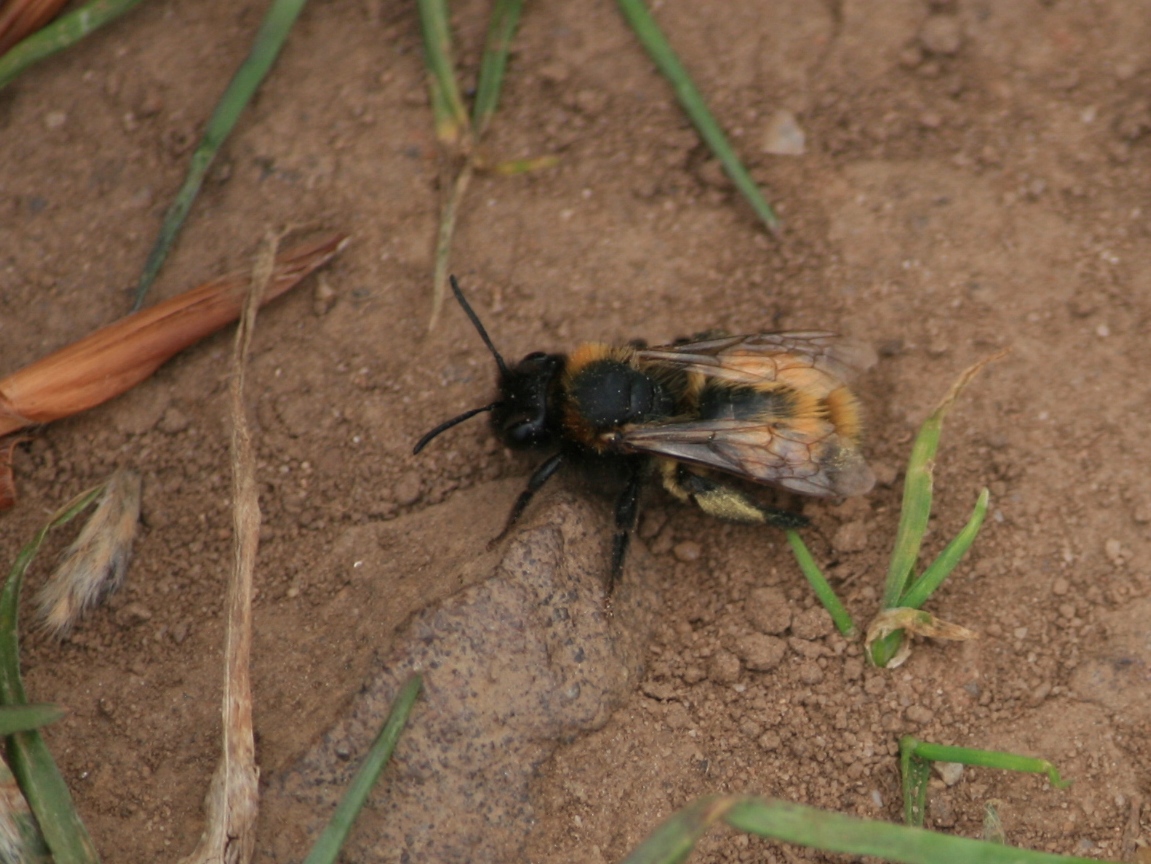
Mining Bee spp. Seen near Upper Holloway. 

After crossing a few sheep fields, as the clouds parted I joined the curving path from the road to the memorial and the trig point. The smell of may blossom filled the air. A Spotted Flycatcher and a pair of Bullfinch were about. I crossed the tracks of the Crich Tramway village, where, in different times, preserved trams take visitors on short rides.

Spotted Flycatcher at Crich. 


Now I must confess I hadn't known what the Pepperpot building which looks down on Matlock and Cromford from its commanding hilltop to the East actually was. A distinct landmark, unknown. It is a memorial to the soldiers of the Sherwood Foresters, a British Army regiment whose soldiers hailed from the Midlands. The men of the regiment served bravely in the First and Second World Wars, the unit's name is inscribed on many a war memorial hereabouts.   The memorial can be seen for several miles, and the views from the hill are commanding. Belper, Derby and the wider countryside spread out below me. I wasn't the only one there. A couple embraced on the grass beside the memorial. A sombre looking man respectfully took down the flags which flew at the site entrance for safe keeping as evening approached. 

View from Crich. 

Sherwood Foresters Memorial. 


I hung out with a handsome crow for a while, and had my lunch, and drank in the expansive vista, and some tea, and then I headed down again, via further woodland, where some fellow walkers were looking for a site used in the filming of the Children's drama 'Stig of the Dump.' I regret only the book was a part of my childhood, the 1981 and the 2002 versions both neatly avoiding me. 


Did Stig of the Dump wander among these Ramsons? 


I reached the Cromford Canal again as the sun was setting, and walked back, fish spotting. A huge, lone Perch, a neatly striped fish with two big dorsal fins more familiar as shoaling juveniles, big enough to be an ambush predator, hung motionless in the water. A few hundred yards on, I watched a Little Grebe fishing in the clear water, astounded by the speed they can do underwater. My word those things are fast. The terrors of the minnows. Clouds of Mayflies were hatching and danced in the evening sun over the water. 

Mallard on Cromford Canal. 

Mayfly Hatch on Cromford Canal. 

As I strolled back over the hills I reflected on how far I had just walked. 


Birds Seen: Canada Goose, Mallard, Tufted Duck, Little Grebe, Buzzard, Moorhen, Black Headed Gull, Lesser Black Backed Gull, Woodpigeon, Jay, Magpie, Jackdaw, Carrion Crow, Raven, Blue Tit, Great Tit, Swallow, House Martin, Long-Tailed Tit, Chiffchaff, Blackcap, Wren, Nuthatch, Blackbird, Song Thrush, Mistle Thrush, Spotted Flycatcher, Robin, House Sparrow, Dunnock, Grey Wagtail, Pied Wagtail, Chaffinch, Bullfinch, Goldfinch. 

Not Birds Seen: Brown Hare, Rabbit, Grey Squirrel, Brown Rat, Perch, Common Blue Damselfly, 

18th May 2020

Wirksworth to Carsington 

On a greyish, intermittently breezy day, I made my way via Stoney Wood, where abundant Dingy Skipper were on the wing despite the weather. There were a few fledgelings about, as Spring turns into Summer, a brood of robins up on the top path.  I continued down to Carsington, where the visitor facilities remained closed, that now familiar refrain, 'due to the Pandemic.' However a public footpath skirts the South-Eastern bank of the lake, according to my OS Map, and who am I to doubt it. It was curious to see the area around the visitor centre so abandoned, car parks empty and fenced off, Stones Island with its sculptures unattended, and the grass, normally host to families, noisy youngsters and playful dogs, now totally and utterly reclaimed by Canada Geese. Though a few small crowds of humans were pootling about, as well as the odd jogger, the Reservoir seemed to belong largely to fluffy Goslings and Spotted Flycatchers.  Willow Tits had fledged youngsters, encouragingly. This is a scarce species which seems to thrive at Carsington.


This walk was among the first in which no year nor lockdown bird list ticks were had. A Great Crested Grebe floated with some striped 'humbugs,' the distinctive young of this charismatic and familiar  water bird. 

Stoney Wood Bird Sightings: Jay, Jackdaw, Great Tit, Swallow, Nuthatch, Robin + Fledgelings, Goldfinch (Singing) 

Stoney Wood Butterfly Sightings: Dingy Skipper (5), Green Veined White (2) 

Carsington Water Bird Sightings: Canada Goose, Barnacle Goose, Greylag Goose, Mute Swan, Gadwall, Mallard, Great Crested Grebe, Grey Heron, Cormorant, Buzzard, Moorhen, Coot, Oystercatcher, Lapwing, Black Headed Gull, Common Gull, Lesser Black Backed Gull, Woodpigeon, Swift, Great Spotted Woodpecker, Magpie, Jackdaw, Carrion Crow, Willow Tit (+Fledgelings), Blue Tit, Great Tit, Skylark, Sand Martin, Swallow, Long-Tailed Tit, Chiffchaff, Reed Warbler, Whitethroat, Blackbird, Song Thrush, Spotted Flycatcher, Robin, Redstart, Dunnock, Pied Wagtail, Meadow Pipit, Chaffinch, Bullfinch, Goldfinch, Reed Bunting. 

Mammals: Grey Squirrel, Rabbit. 

Butterflies: Large (Cabbage) White, Green Veined White, Brimstone. 

19th May 2020

A Stroll to Bolehill (Contains description of predation) 

A breif hour or so out of the house in beautiful sunshine brought the unexpected. Beneath an old, gnarled Oak tree beside the footpath, a few small birds were feeding on the ground, a typical mixed crowd of tits and finches. A Great Spotted Woodpecker dropped in, I assumed to join them in preying in whatever small insects could be found there. Repeatedly it stabbed the ground, as the smaller birds took flight, chattering, and then it was up, with a small dead bird in its bill. Downy feathers drifted on the breeze. The bird, a Great Tit, was unceremoniously hammered into a crack in the bark by the Woodpecker's bill. The Woodpecker returned twice during the following ten minutes or so to peck at the carcass. An adult Great Tit was in the area with a food parcel for its youngster, one can but hope others survived. Passerine alarm calls abounded throughout.  Woodpeckers are not unknown to take young birds, hammered out nest boxes are a telltale sign of Great Spotted Woodpecker predation, but this was the first time I had witnessed it with my own eyes, and not of nestlings either, but of a fledgeling.

Distant view of the Woodpecker enjoying its meal. 


Plenty of other birds were busy with the business of raising chicks. Blue Tits fed chicks in a nest box on the wall of a house in Bolehill Village. A newly fledged Woodpigeon hassled a weary looking parent for food in a street tree, and robins were busy stuffing invertebrates into the yellow gapes of speckled fledgelings.


Friendly Sheep


I returned to the path beside the farm buildings, Ash Tree Farm or some such, and passed through a field of friendly sheep.  As I crossed the Ecclesbourne Valley Railway, a Sparrowhawk flew over, a kill in its talons. Swifts whistled joyously in the clear blue sky, themselves predators on the aerial 'plankton.' 

Birds Seen: Sparrowhawk, Woodpigeon, Swift, Great Spotted Woodpecker, Magpie, Jackdaw, Carrion Crown, Coal Tit, Blue Tit (+nest w/ young) Great Tit (+Fledgelings, one eaten by GSWP) Swallow, Blackbird, Robin (+Fledgelings) Dunnock, Chaffinch, Goldfinch


Thursday, 22 October 2020

Lockdown Walks, a Retrospective.

 6th May 2020

I took a brief afternoon stroll in Stoney Wood, the little local greenspace in a disused quarry I have visited many times, for an informal bird and butterfly survey. Here I witnessed predation, nature, in all its shocking glory. 

The prey, fast, agile, and undeniably beautifully marked, was flying at treetop height, and clearly very aware of the danger it was in, jinked and turned aerobatically, in a desperate attempt to escape the snapping mandibles. The predator, faster, but not as agile, hung briefly in mid air, before locking on again with its sharp vision, darted and snapped again, and missed again. They prey had almost reached cover, but changed direction, and this loss of speed afforded the predator another chance, and this time, with an audible snap, the sharp bill found its mark. The Spotted Flycatcher returned to its perch in the scrub with the Peacock Butterfly flapping desperately in its tight grip. The bird struck the insect against a branch several times, until the manic struggling ceased. Then it shook its head violently, and the four jewelled wings of the butterfly fluttered to the ground like falling leaves, and the bird devoured the body, a small, sad morsel but of course a substantial meal to the tiny bird. 

Peacock Butterfly. Not the one in this story but one in Cambridgeshire in August.


This horror aside, the weather was still glorious and there were plenty of butterflies on the wing, including several Dingy Skipper, and Robins, Whitethroats and Willow Warblers, insect killers all, sang melodiously to the summer sky. 

Birds Seen: Black Headed Gull, Stock Dove, Woodpigeon, Swift, Jackdaw, Blue Tit, Great Tit, Willow Warbler, Chiffchaff, Whitethroat, Blackbird, Spotted Flycatcher*, Dunnock, Goldfinch. 

Butterflies: Orange Tip, Peacock (alive and dead) Green Veined White, Dingy Skipper. 


Orange Tip Butterfly near Kirk Ireton.


8th May 2020

 Wirksworth to Carsington via Kirk Ireton

I strolled along footpaths from Summer Lane, where the housing on the Southern fringe of Wirksworth gives way to farmland. I crossed the open fields and climbed up to half moon lane, which was quiet and offered beautiful views over the Ecclesbourne Valley. The roadside vegetation was well grown and butterfly infested. A Sparrowhawk soared as racing pigeons took their daily exercise from someone's loft. Swallows and Martins wheeled above a farmyard. I arrived in Kirk Ireton, and was surprised to find the human population out and about, celebrating VE day in the streets, a dose of normality, but still a surprise. 

After a couple of wrong turns, I think I had been aiming for the Trig Point called The Mountain, I found myself unexpectedly stood beside Carsington Water, not far from the Millfields car park. A beautiful Garden Warbler sang on the Hawthorn, and the Black Headed Gull colony was typically noisy. A few Lapwings and a single Redshank waded in the shallows. A pair of feral Barnacle Geese were on the gull colony island and one appeared to be incubating.  Long Tailed Tits foraged in the shrubs, gathing beakfulls of insects for their waiting chicks.


Long Tailed Tit at Carsington Water. 


I returned via Kirk Ireton once again, through sunny fields full of butterflies and horses, and filled my empty water bottle with takeaway beers from the pub there. I sat in a field on the way back and raised a glass to the men and women of 1945.


Garden Warbler at Carsington Water


Returning in near darkness I saw hares close to where the footpath crosses the Alderwasley Hall School site. The vegetation here was a sad sight, the farmer appeared to have sprayed herbicide on nearly everything, and wildflowers and nettles alike drooped forlornly. I crossed the Ecclesbourne Brook and returned to Wirksworth through Miller's Green. A pond, signposted as a fishery, beside the road reminded me how I was still discovering this town, I had not known it existed. 

Birds Seen: Canada Goose, Barnacle Goose, Greylag Goose, Gadwall, Mallard, Tufted Duck, Pheasant, Great Crested Grebe, Sparrowhawk, Moorhen, Coot, Lapwing, Redshank, Black-Headed Gull, Lesser Black Backed Gull, Swift, Stock Dove, Woodpigeon, Collared Dove, Magpie, Jackdaw, Carrion Crow, Blue Tit, Great Tit, Swallow, House Martin, Long Tailed Tit, Chiffchaff, Blackcap, Garden Warbler, Whitethroat, Blackbird, Mistle Thrush, Robin, Pied Wagtail, Chaffinch, Greenfinch, Goldfinch. 

Butterflies seen: Green Veined White, Orange Tip, Speckled Wood, Red Admiral, Small Tortoiseshell, Peacock. 

Mammals Seen: Rabbit, Brown Hare. 

Wednesday, 11 June 2014

The Mandarins of Kent


Much has been said about the damaging impacts of non-native species in the British Isles, and this publicity has been largely negative, from Canada Geese causing eutrophication of lakes with their droppings, to invasions of Japanese Knotweed and Giant Hogweed. The potential ecological risks posed by the now-familiar Ring Necked Parakeet (Psittacula krameri), noisy, shy and gorgeous, is currently However, it is worth approaching any conversation about invasive species with a degree of caution, as many species are now long-established in Britain, including the charismatic and declining Little Owl (Athene noctua), friend of farmers and nemesis of a range of agricultural pests, and the stunningly beautiful Mandarin Duck (Aix galericulata) and do not have any appreciable negative impacts.

Mandarins at Keston Ponds, Greater London. Note the enormous carp in the foreground, which scared the apparently previously oblivious ducks skyward a second later!


The Mandarin Duck originates from far Eastern Asia, occurring in Eastern Russia,  Japan, and most notably China. It was relentlessly collected in the latter and exported to ponds all over the World, all the while suffering reductions in its unique habitat, and is now a relatively scarce bird there, although newly discovered wild populations have bolstered its conservation status. Among the birds torn from their natural habit, were small numbers brought to ornamental lakes in Britain. They were first recorded breeding wild in the UK in London in 1946, although breeding populations were probably established much earlier.  They are now found at a small number of sites, largely concentrated in South Eastern England, although a few individuals occur at Mere Sands Wood, a wonderful woodland and wetland reserve somewhere between Preston and Liverpool, and managed by Lancashire Wildlife Trust.  Prior to the discovery of new populations in China, the British population of Mandarins in the 1990s was thought to exceed that in its native range, although in reality it may represent  10-20% of it (LNHS 2002).  This non-native population remains, far from a parochial conservation threat, a global conservation asset. Their UK strongholds are in Greater London, Berkshire and Surrey.

Among the abandoned bread. Bread is not good for birds, and incidentally, Keston Ponds was covered in floating bits of it. Please, if you can refrain from bread-throwing without upsetting yourself or your kids, do so.

Mandarin Ducks have been under-recorded in the UK due to their secretive, tree-nesting habits. Unusually for the typically chauvinistic duck family, males and females share the incubation of the eggs. Perhaps as hole nesters the male’s incredibly bold plumage represents less of a liability in terms of predation risk. The males have distinctive orange feathers on their faces, red bills, and large, orange sail-like plumage on their backs. Electric blue flashes can be seen on their backs and flanks.  While the female is less gaudy, smart in a uniform grey-brown with white underside markings and a white stripe around her big, dark eyes, she may command the prize for cutest-looking female duck, perhaps competing with the scarce, and also introduced, Carolina Wood Duck from the USA.
The rather lovely couple.

I had the good fortune to spend a couple of happy hours hanging around with the charming Mandarin Duck at Keston Ponds, in greater London, near the town of Orpington, where they live alongside the native Tufted Duck and Mallard.  They would take bread thrown to them off the water’s surface but always remained warier than the Mallards or Geese, sticking a few metres from the nearest human, of which, on a sunny day, a green oasis in metropolitan Kent attracts many.  Here they find the small, wood-fringed pools they favour in their native range, and old trees in which to nest.  They suit the place well, it represents their habitat, a similar climate to their native range, and hardly seem out of place, especially as green parakeets from Himalayan India fly squawking overhead.  Mandarin Ducks seem to me a very welcome addition to our fauna, exotic, beautiful, and here to stay.

The Mandarin Duck's habitat at Keston Ponds.

Male Mandarin Duck.
 

Monday, 24 February 2014

Pennington Flash

Here is a blog post I wrote about a week ago following a trip to Pennington Country Park between Wigan and Manchester.

About a fortnight ago I had the privilege of spending an afternoon birding at Pennington Flash Country Park near Leigh, Greater Manchester, during a foray up North to see my dear friend Tom, getting out birding for the first time in a few days.  The site, which sits on the fringe of the great conurbation, between the City of Manchester and Wigan, was created in part by mining subsidence, where collapses enabled the formation of several large pools. An expansive lake, used by boaters, birders and the inevitable duck feeders armed with bags of bread, greeted us when we arrived. A scan of the water revealed distant goosander and Tufty among the Mallards, which was promising, but it was the nature reserve which adjoins it that we were interested in. A number of hides overlook a range of smaller pools, all home to interesting waterfowl.
Shoveller and Goosander at Pennington Flash.


Confident Reed Bunting, close to the appropriately named Bunting Hide. 


The first hide we visited revealed Shoveller engaged in their rather fascinating and rather mesmerising courtship dances, the male and female swimming in close circles, matching each others’ speed while often beak to beak, forming pair bonds that would presumably travel North with them onto their summer breeding grounds.  There were also several Goosander,  which typically winter on inland waters, especially in the North, where they seem to be growing more common.  They are among Britain’s prettiest ducks, the green-headed males sporting bright white flanks, while the females crests are endearingly punky.


Blue tit from Bunting Hide. 

Stock Doves from Bunting Hide.

The highlight of the visit had to be the experience of sitting in what is called the bunting hide, just watching so many birds around the feeders. Mottled and wintery Reed Buntings, smart hen Chaffinches, gaudy male Chaffinches, and fascinatingly pink Bullfinches landed on the tables. A grey squirrel, apparently blind in one eye but seemingly none the worse for its disability, enjoyed the seeds it could pull from behind the bars.  Little, noisy parties of Long Tailed Tits came and went from the hanging peanut feeders, accompanied by Blue Tits and a Coal Tit with an unusually long beak, perhaps regrown following some injury.  A pair of handsome stock doves, in beautiful slate grey plumage with their deep metallic green neck flashes, not dissimilar to woodpigeons but so much (even) more beautiful sat eyeing each other in the trees at the back of the clearing. The clearing was dotted with bird tables and feeders, bringing all the passerines so close. The scarcest bird in this little clearing was a beautiful female Brambling, a winter visitor from Scandinavia and other more boreal climes. It resembles a Chaffinch, with pale orange on the breast and mottled black and brown on the back and crown, with similar wing markings to its cogener, but suffused with orange, and a bright white rump. It fed on one of the bird tables, sadly the one furthest from us but still close enough for a photo for the records.
Partially blind squirrel
After we had sat in the hide a few moments, the birds scattered, and a Sparrowhawk flew through the clearing at speed. The mallards and moorhens which did not flee suddenly paddled or swam into the vegetation, apparently still nervous. The bird of prey disappeared, maneuvering between the trees, and we could not tell whether it had caught anything, but it took the passerines a long time to return, with the feisty blue tits appearing first, and the shy bullfinches taking their time to return to the clearing.
Brambling

This grey day was just the night after the latest round of storms which had affected the country, and especially the North West, and a few trees were down, including one close to bunting hide. Crack willows by the main lake had been snapped, their jagged edges reaching skyward, and elsewhere smaller Birches lay uprooted across the paths. The clouds were coming over in waves, and the wind was light but chilling, a shadow of the destructive force which had brought trees down on top of cars in the town centre just the night before. Despite the sporadic greyness and showers we wandered through the diverse habitats around the pools, adding a pair of kingfisher to our day list, the two bright little birds pursuing each other at speed, zigzagging close to the water surface. We saw a very windswept moorhen picking its way among the patches of gravel which formed islands in the pools, its breast feathers caught in the breeze.
Windswept moorhen


We saw a handsome Goldeneye out on the water of the main lake, and plenty of little grebes and scruffy, first winter grey herons.  Herons seem to have a roost in a cluster of trees beside one of the scrapes, to which the huge, broad winged birds were returning as we watched.   As the sun began to set, the sky cleared and we spent a few moments trying,  fruitlessly, to pick out a Mediterranean gull reported on the sightings board among the confiding, black headed gulls which had gathered amongst the motley collection of wild and feral mallards.


Motley mallards. 
Pennington Flash sits among major conurbations and is well used and much valued by a range of people. As a country park it represents a popular local day out. Despite the breeze we saw a range of dog walkers and other members of the public wandering around the site, but nevertheless it held a range of remarkable wildlife habitats and a surprising array of wildlife, and has become, in  my mind, something of a gem in the Greater Manchester area, and I look forward to seeing it again!

Sunset Gulls.

Sunday, 13 January 2013

Martin Mere 12th January 2013


A bright winters day and an exam behind me, a new year with few opportunities to get out,  today it was time to go birding again. With friends from Lancaster I drove down the M6 to the Wildfowl and Wetlands Trust reserve at Martin Mere near Southport, on the Lancashire Coastal Plain, about forty minutes South of Lancaster.  In stark contrast to the terrain up here, the area is disconcerting flat, a landscape at odds with my previous experience of this county. At the time of my last visit back on October I had been impressed with the site in general, but a little disappointed not to find the huge numbers of swans associated with other sites in the area. As we drove down narrow but appropriately named “Curlew Way,” a single track road through the flat country which represents one of the approaches to the site, we saw a number of swans grazing beside the road.


Drake Pintail


We arrived just after 11, and made our way through the wooden visitors centre and into the “duck zoo” area. At many of its Wetlands Centre the Trust manages a collection of wildfowl and other creatures from the wetlands of the world, and Martin Mere is  no exception. The flamingos were beautiful to look at, as were the eider with which they rather inexplicably shared a pond, the latter cooing contentedly. A few Whooper Swans seemed to have ventured into the duck zoo as well, and it was these which were to be rather the stars of the day.

Whooper Swans and Greylag Goose.


We made our way through the heavy metal gates and leaving the domesticated waterfowl behind us made our way to the Raines Observatory, one of several wooden hides overlooking the lake and reed beds. The sheer density of wild waterfowl was impressive, and “never seen so many birds in one place in my life” comments were overheard. The ground in front of the hide was muddy, disturbed by the big feet of the Whooper Swans (Cygnus cygnus) and Greylag Geese (Anser anser) both of which were present in dozens. On the shore ran Ruffs (Philomachus pugnax), smart wintering waders enjoying the relatively benign conditions of the Mere, while their breeding sites on the continent become uninhabitable.  A couple of Lapwings (Vanellus vanellus) whistled and flew their big, sweeping display flights, on their distinctive broad wings over the water. In the water were a number of handsome drake Pintail (Anas acuta) with chocolate brown heads and white neck flashes, large, only subtly smaller than the Mallards (A. platyrynchos) but far more slender and elegant than their more abundant relative, with sharply pointed tails in both sexes, the drake’s sharp, black tail quill giving the species its name.  Teal, widgeon and shelduck were also here among the ducks. In the distance skeins of pink-footed geese flew in and alighted on the fields adjacent to the reserve.  It was an overheard comment about a Green-Winged Teal being seen from the Ron Barker hide which spurred us on to move.  Enquiries revealed the bird had been sitting on an outflow pipe “right in front of” the Ron Barker hide.


Ruff with drake Teal (r) and Pintail (l) behind


Wandering on down the path toward the Ron Barker Hide, named for an early supporter and friend of Sir Peter Scott, founder of the WWT, we came to a split in the path, and of course followed the spur which led us through some promising looking scrub woodland. A mixed flock of passerines above us had my attetion. Identifying birds from immediately below as they forage for seeds in the alders was something of a challenge, but as one of the birds turned to extract some seeds from a choice catkin it revealed a chestnut crown and a black cheek marking that was distinctive. A tree sparrow! A lovely bird and a year tick. Some people passing us seemed intrigued by what we’d found, only to walk away uninterested when we said it was a Tree Sparrow. Having, not so long ago, expected to travel to Dungeness to see this charming species, a close relative of the more familiar house sparrow, I was rather surprised by their indifference. Perhaps they’d been to Eastern Asia where it is far more common.   The tree sparrow was accompanied by chaffinches and a couple of goldfinches, which busied themselves feeding on the alder trees.
Pintail pair (front) and Widgeon pair (back)


We reached the Ron Barker hide, and looked out over the open expanse of wetland. There were several Teal about, and a scruffy individual swimming in the ditch immediately outside the hide briefly caught my attention.  It turned out to be just that as a couple beside us had found the Green Winged Teal (Anas carolinensis) sitting on an outflow pipe as described, well out of the range of binoculars. They let us have a glance through their telescope, and although not terribly distinctive, the vertical white line on its flank, and the absence of a horizontal one, was clear to see. This American bird had presumably been blown of course during a flight down the Eastern seaboard of the United States, and, reluctantly, one imagines, became one of the handful of birds to cross the Atlantic to Britain every year. We would, I admit, never have found it without the help of the couple with the scope, but what a lovely bird! The white line is something I’d think to look for, scanning through flocks of teal with the bins for it, but this bird is a first. It was far too distant for a photo, but it is memorable. 

As we sat in the Ron Barker hide we saw the distant flocks of pink feet moving again, and watched a Grey Heron fly along the length of a small channel cut into the grassland in front of us, spooking several Teal (Anas creccia) and Widgeon (Anas penelope) into making brief flights. We took lunch and watched a Little Grebe diving about in the drainage channel. Gadwall and  Shoveller seemed curiously conspicuous by their absence.


View of Martin Mere

From the Ron Barker we went into the Kingfisher hide, a pill-box like, reinforced-looking structure, which offers panoramic views of the wide, flat landscape and the Marshes. Once the largest body of freshwater in Lancashire, prior to several drainage attempts for agriculture, a shared history with many of Europe’s wetlands, the lake and surrounding marshland still looks huge from here. There were noisy finches in the trees behind the concrete hide, but a scan through the flock revealed them to be composed of common greenfinches and chaffinches, scarcer finches absent, surprising given the sites’ tree sparrows and the richness of other wet woodlands nearby. Perhaps it lacks the continuity and large area of similar woodlands in Lancashire. A large bird of prey sitting on a fence turned out to be a Buzzard. It sat calmly on the fence, apparently uninterested in the cluster of brave or foolhardy teal and mallard which swam in a pool beside it.  Sometimes these dramatic birds will take up perches like this to hunt for worms, looking for movement in the mud or grassland beneath. It is an effective strategy, Buzzards in Holland are thought to thrive on worms, although phrases like “reduced to hunting worms,” an anthropomorphism, are forgivable when considering the majesty of raptors like this when they are more commonly encountered, doing things like soaring over open moorland.

Asian Short Clawed Otter

We headed into the Duck Zoo for the inevitable cooing over otters experience. The Kits had grown since my last visit, and were as big as their parents. They came trooping over for the whitebait one of the guides threw them. Again we were advised to swim in the Amazon with the huge and highly territorial Giant River Otters which feed on Piranhas in it. Someone should probably advise the enthusiastic and otherwise well-informed volunteer of the folly in this before some young traveller sues him for a lost arm.  The Asian Short Clawed otters here had none of their South American relative’s menace and elicited the inevitable cooing noises that only otters can generate. The otter feed takes place only half an hour before the wild swan feed. Having encountered this at the WWT’s site at Welney on the Cambridgeshire/Suffolk/Norfolk border, down South, I was keen to see it again. What awaited us when we reached the Swan Link hide was impressive, and indeed somewhat breathtaking. Hundreds of the big white adult Whooper Swans with their black and yellow beaks, plus a handful of greyer Juveniles, with paler beaks, were waiting eagerly on and by the lake shore. There were greylags, more Pintails than one could shake a stick at, Mallards, a few of the feral farmyard type, Teal and Widgeon, but the swans! It is an experience well worth the WWT entrance fare and a fine demonstration of what a good cause it goes to. These birds had flown in from Iceland, where they breed, for the winter, in their family groups, and now they were gathered, spectacularly, just feet away from us.  A man walking down with a wheelbarrow signalled the beginning of the feeding frenzy. He walked along the muddy shore and scattered grain for the hungry and expectant waterfowl. Ducks scurried about the feet of the swans grabbing what they could and trying to avoid the hard beaks of the Whoopers, which would deliver a sharp peck if the ducks came close. The Ruffs, uninterested in the food, just scurried about bemused by the activity around them.  The swans and ducks plumage was soon muddy from the churned, wet earth. Shelducks seemed to have adopted a habit of flying over the swans, grabbing a few unattended seeds, and then flying back over the swans before they were noticed.  The smaller species seemed more vulnerable to getting a sharp peck from one of the aggressive swans. As the man passed by and the seeds had largely been filtered from the mud by broad beaks of various sizes, a calm descended. We took the opportunity to have a look at some distant Cormorants (Phalacrocorax carbo) through someone’s scope, one of them was already developing the white markings on the neck which marked it as a subspecies sinensis, more typical of central and southern Europe than Lancashire. Another which appeared to be a juvenile held its wings spread to dry its feathers in the wind.  


Swans waiting to be fed.
Shelduck.


Despite the beauty and spectacle of the densely birded Wild Side, we decided to check out a little more of the duck zoo.  Although it has never truly caught my imagination I was encouraged by the interest among my friends that the global waterfowl collection seemed to generate. We saw a Black Swan, handsome American Buffleheads, and stunning Mandarin and Carolina Wood Ducks from China and the USA respectively. It would of course have been far more exciting to encounter these species as vagrants on the wild side, but they were pretty and I suppose the educational value in showing people the world’s wetlands, and telling them about the threats they face cannot be bad. Nonetheless after a no-show, again, from the WWT’s elusive Beavers, we went back out to the wild side and down to the smart, elegantly carved “Harrier Hide” which overlooks some wetland recently reclaimed from agriculture for wetland wildlife, its drainage reversed. I’d hoped for a Marsh Harrier, or a Short Eared Owl quartering over the reeds, but no such luck. We’d seen a Kestrel on the way up so I would have to be content with a two-raptor day. A few Tufted Ducks and sleepy Teal sat about on the water, and some mallards, one a white farmyard type, browsed in a shallow pool. The sun had begun to set, staining the sky a deep red, reflecting off the cirrus clouds which had gathered in it.  We made our way back to the car in the fading light, the honking of the geese still ringing in our ears.


Sunset over Martin Mere


Full Species List: (broadly, international common names used, my preference)

 En Route: Pheasant (Phasianus colchicus) Kestrel (Falco tinnunculus) Starling (Sturnus vulgaris)

At Martin Mere in the wild:  Whooper Swan (Cygnus cygnus) Greylag Goose (Anser anser) Pink Footed Goose (Anser brachyrynchus) Eurasian Teal (Anas creccia) Northern Pintail (Anas acuta) Mallard (Anas platyrynchos) Feral Duck (Anas platyrynchos. ssp domesticus) Eurasian Widgeon (Anas penelope) Green Winged Teal (Anas carolinensis) Shelduck (Tadorna tadorna) Eurasian Coot (Fulica atra) Common Moorhen (Gallinula chloropus) Pochard (Aythya ferina) Tufted Duck (Aythya fuligula) Little Grebe (Tachybaptus ruficolis) Great Cormorant (Phalacrocorax carbo ssp. carbo & P. carbo ssp sinensis) Ruff (Philomachus pugnax) Northern Lapwing (Vanellus vanellus) Grey Heron (Ardea cinerea) Black Headed Gull (Chroicocephalus ridibundus) Common Buzzard (Buteo buteo) Feral Pigeon (Columba livia) Common Woodpigeon (Columba palumbens) Collared Dove (Streptopelia decaocto) Carrion Crow (Corvus corone)  Blue Tit (Cyanistes caeruleus) Great Tit (Parus major) European Blackbird (Turdus merula) Redwing (Turdus iliacus) European Robin (Erithacus Rubecula) Dunnock (Prunella modularis) Common Chaffinch (Fringilla coelebs) European Greenfinch (Carduelis chloris) Goldfinch (Carduelis carduelis) Eurasian Tree Sparrow (Passer montanus)