Showing posts with label flowers. Show all posts

Friday, 12 February 2021

Wanderings in the Strangest Summer- A Trip South, 17th-21st July 2020, Part 1.

Stretching the definition of 'on the way' a little, I stopped off at Lakenheath Fen in Suffolk on my way to Upminster, from Wirksworth. Lakenheath Fen sits close to the USAF base at RAF Lakenheath, in the Brecks close to the Norfolk/Suffolk/Cambridgeshire tri-point. A new wetland, a masterpiece of habitat creation, its reedbeds and open water were once carrot fields, and they sit alongside poplar plantations, where Golden Oriole once bred, indeed, they were among the last sites used by this species in the country.

Peacock Butterfly at Lakenheath Fen


I was welcomed by friendly RSPB volunteers, who informed me the site was now fully open, the reserve open access until Dusk, and served me a welcome coffee, before I headed up beside the river Great Ouse, looking across its Lapwing and Godwit infested washlands. The thistles presented a wonderful display of Peacock and Red Admiral butterflies, so many of these magnificent but familiar big nymphalids on the wing. I made my way to the Joist Fen viewpoint, which was surprisingly busy, with a lot of people about including a man with a big camera and a sound lure, a device playing Bearded Tit contact calls. These are highly frowned upon, and thought to disrupt birds breeding behaviour, or at least distract them from foraging. After some dirty looks from the assembled he went on his way, and, satisfyingly, no sooner had he done so, than the Bearded Tits arrived, affording us brief but clear views of these charming, mustachioed denizens of the reedbeds, busy, little brown birds with reed-brown bodies, long tails, and in the males, blue-grey heads and elegant black mustaches.


Red Admiral Butterflies and Red Soldier Beetles at Lakenheath Fen.


The Beardies did not hang around, and bird-wise, the viewpoint was quiet, with no cranes to be seen, these being the other star bird associated with Lakenheath, so, making my walk a circuit, I walked back along track and boardwalk, beside open water, and yet more butterflies including a gorgeous Brimstone, toward the visitor centre.

Ruddy Darter Dragonfly at Lakenheath Fen

View of the Great Ouse, Lakenheath Fen


After this I took another, shorter circuit, up to the New Fen Viewpoint, where a Bittern flew by, and Scarce Chaser dragonflies, males tarnished cobalt blue, staining black according to their age, females a shade of gold in the sunshine, alighted on the benches. and Common Lizards sunned themselves on the boardwalk. There were bright scarlet Ruddy Darters here too. Several Marsh Harriers flew lazily above the nodding reeds, these still uncommon raptors now almost ubiquitous in the Anglian fens, and deep in the reeds, Reed and Sedge Warblers, the rave DJs of the wetlands, sang their ever changing, but distinctive, rhythmic song.


Male (top) and Female (bottom) Scarce Chaser at Lakenheath Fen.


I looped around the family trail, taking in the less explored part of the reserve, the air alive with the song of whitethroat, and more spectacular nyphalidae on the wing. Then I headed on my way, back across the country to the M11, the songs of Acrocephalus warblers still ringing in my ears.

Small Copper at Lakenheath Fen


Birds Seen: Canada Goose, Greylag Goose, Mute Swan, Mallard, Tufted Duck, Pheasant, Great Crested Grebe, Bittern*, Grey Heron, Little Egret, Cormorant, Sparrowhawk, Marsh Harrier, Moorhen, Coot, Oystercatcher, Avocet, Black Tailed Godwit, Black Headed Gull, Lesser Black Backed Gull, Common Tern, Stock Dove, Woodpigeon, Green Woodpecker, Kestrel, Jay, Magpie, Carrion Crow, Blue Tit, Great Tit, Bearded Tit*, Swallow, Chiffchaff, Sedge Warbler, Reed Warbler, Whitethroat, Wren, Blackbird, Greenfinch, Goldfinch, Reed Bunting.

Banded Demoiselle (female) at Lakenheath Fen


Butterflies Seen: Near Visitor Centre: Small Copper (3) Small Skipper (4), Green Veined White (9), Red Admiral (19), Meadow Brown (19), Ringlet (2), Peacock (74), Large White (27) Small Tortoiseshell (1) Brimstone (2) 

Near Joist Fen: Small Copper (1) Comma (1) Gatekeeper (1) Green Veined White (10) Meadow Brown (22) Small White (2) Large White (17) Ringlet (4) Red Admiral (26) Peacock (50) Large Skipper (1) 

Near New Fen: Speckled Wood (2) Large Skipper (2) Meadow Brown (8) Green Veined White (2) Large White (2) Peacock (14) Red Admiral (9) Comma (3) Brimstone (1) Small Skipper (3) Small White (1) 

Other notable wildlife: 
Scarce Chaser, Emperor Dragonfly, Banded Demoiselle, Blue Tailed Damselfly, Ruddy Darter, Common Lizard, Rabbit, Grey Squirrel.


Cranham Marsh, Essex, 19th July 2020

Cranham Marsh is a small Essex Wildlife Trust reserve, a stones throw from where I grew up, indeed, a short bike ride for the younger me, and a place I loved to visit through my teens and 20s. Indeed, I credit walks at Cranham Marsh with reigniting my fascination with wildlife after a few challenging years I had when I was at University, first time round. It's not famous like Lakenheath Fen, but it is important in my personal headcanon of nature reserves. It has been well used by people, barely sitting outside of the leafy suburb of Upminster, but is by and large treated with the respect it deserves by many people, and I hope continues to inspire suburban people to get out and enjoy wildlife.
Mumsie's Brown Argus. 


It was another gloriously sunny day, and there were abundant butterflies on the Hemp Agrimony and Centaurea and the thistles, including a smart Brown Argus (Aricia aegestis) which Mumsie spotted, and a number of bright Common Blues and Holly Blues, all tiny lycaenid jewels in the long grass and among the flowers.

Peacock on Hemp Agrimony at Cranham Marsh


Jays, and Rose Ringed Parakeets, now ubiquitous around greater London, were calling, and a gorgeous Field Vole, Britain's most numerous mammal, but seldom seen, a small dark ball of fur, ran across the path. It was rather a trip down memory lane. 

Cranham Marsh nominally hosts wet grassland habitat, perhaps better described as seasonally wet, seldom holding much water into the high summer.  In this spell of hot weather we were enjoying, parts of the reserve seemed parched and dry.  The site is said to have suffered from the building of the M25, but it still hosts remarkable wildlife. 

I visited again on the 21st, just as a place to enjoy a cold beer and a bench with an old friend in the scorching sunshine, and on that visit, I managed to snap an unexpectedly interesting photo of bees, on the thistles.

Honeybee and Buff-Tailed Bumblebee on Thistle at Cranham Marsh. 


Birds Seen: Black Headed Gull,  Feral Pigeon, Swift, Green Woodpecker, Kestrel, Rose-Ringed Parakeet, Jay, Magpie, Carrion Crow, Whitethroat, Wren, Blackbird, House Sparrow, Dunnock, Chaffinch, Goldfinch. 

Butterflies: Comma (6) Green Veined White (22) Large White (20) Gatekeeper (12) Red Admiral (4) Meadow Brown (23) Speckled Wood (1) Ringlet (14) Small Skipper (11) Brown Argus (2) Common Blue (6) Peacock (7) Small White (11) Holly Blue (1)

RSPB Bowers' Marsh, Essex

I took half a damp day, the sun gone, to walk around this damp piece of land, an RSPB reserve sandwiched between the Essex town of Pitsea and a landfill site, to walk a circuit, and tick more bird species than I did at their fenland flagship, in drizzling rain. 

There were a few runners and dog walkers taking their permitted exercise, and to my surprise, a few motorcycle scramblers about. Under the partial reopening permitted, I caught the reserve just before it was closed again due to antisocial behaviour.

Record Image of Black Necked Grebe at Bower's Marsh. 


The birds were the stars of the day, and there were many, Avocets had fledglings on the islands in the scrape. A single Black Necked Grebe, an attractive, relatively scarce species, with Macaroni Pengion ear tufts, a distinct, sharply sloping forehead, a ruby red eye set in a black head and neck, and rich chestnut brown flanks while resplendent in breeding finery, hung out on the water with a small band of Pochards, diving frequently. In the reeds at New Marsh Viewpoint, I again encountered Bearded tits, for the second time in three days! A smart male, and two youngsters made their way between the reeds.  Common and Green Sandpipers were on a black and rubbish-strewn patch of water on the other side of the fence separating me from the landfill site. A Marsh Harrier made occasional flybys, putting all the waders to flight.

Record Image of Bearded Tit


Another highlight was the Yellow Wagtails. Summer migrants, this flock included a couple of dapper yellow adults, bright, flying dandelions, and a couple of muddy yellow and olive youngsters.  Yellow Wagtails are a widely distributed and variable species, with geographically distinct races, though these were true yellow wagtails, the near-endemic British subspecies, Motacilla flava flavissima, and had probably bred locally, though in a few months they would begin their long autumn migration to sub-Saharan Africa.  

Despite the grey, there was a Marbled White butterfly on the wing too, big and blousy, blown about by the breeze. 

Birds Seen: Canada Goose, Greylag Goose, Mute Swan, Shelduck, Mallard, Teal, Pochard, Tufted Duck, Black Necked Grebe*, Grey Heron, Little Egret, Marsh Harrier, Coot, Oystercatcher, Avocet, Lapwing, Black-Tailed Godwit, Common Sandpiper, Green Sandpiper, Redshank, Black Headed Gull, Common Gull, Herring Gull, Lesser Black Backed Gull, Common Tern, Stock Dove, Woodpigeon, Magpie, Jackdaw, Carrion Crow, Blue Tit, Great Tit, Bearded Tit, Skylark, Swallow, Sedge Warbler, Reed Warbler, Whitethroat, Starling, Blackbird, Robin, Stonechat, House Sparrow, Yellow Wagtail*, Pied Wagtail, Chaffinch, Greenfinch, Linnet, Goldfinch, Reed Bunting. 


Warley Place, Brentwood, Essex, 19th July 2020


I spent a couple of hours with the family bimbling around one of Mumsie's favourite spots, Warley Place near Brentwood, a fascinating reserve near Brentwood. The reserve's origins are interesting, they form the grounds of a long demolished stately home, once occupied by Ellen Wilmott, keen gardener and plant hunter. Many of the exotic plants she grew in her gardens still survive, though under a canopy of mature trees, the house, unoccupied since before the second world war, was demolished in the 1960s, and the gardens left to fall to ruin, though elements of them have since been partially restored. The historic structures which still stand, parts of a conservatory and a coach house, are maintained in an as-is condition, and the Edwardian glory of the gardens can easily be imagined.

Rutpela maculata on cultivated Rose. 


Two hides stand on the site, overlooking small bodies of water, one a garden pond, the other the irrigation system beneath a long demolished hot house, each with bird feeders outside, attended by Great Spotted Woodpeckers and a few common passerines. Ginkgo biloba grows alongside cultivated roses and bamboo, relics from Ellen Wilmott's day, alongside self seeded secondary woodland.


Among the curious creatures we found was a beautiful longhorn beetle,which Dad spotted atop a rose flower. We identified as Rutpela maculata.  

Birds Seen:  Moorhen, Woodpigeon, Great Spotted Woodpecker, Green Woodpecker (H) Jay, Magpie, Carrion Crow, Coal Tit, Blue Tit, Great Tit, Blackbird, Robin. 

Butterflies: Red Admiral (2) Meadow Brown (4) Green Veined White (2) Speckled Wood (1) Ringlet (1) Gatekeeper (2)


Tuesday, 17 November 2020

Wanderings in the Strangest Summer- A retrospective.

 2nd June 2020

I parked the car in Elton, a small village just off the road to Bakewell, and took a wander along the still quiet country roads to Gratton Dale, a dry, narrow dale, host to a lot of scrub as well as wildflower rich, limestone grassy banks. There was a huge abundance of butterflies, Common Blues chasing off anything in sight. The Common Blues combined with the activity brought on by warm conditions made photographing butterflies very challenging. Among the butterflies chased off by the territorial blues was a scruffy Green Hairstreak, a species coming to the end of its season. There were plenty of very fresh Brown Argus on the wing too, possibly the univoltine (single brooded) race which occurs round here. A Tawny Owl hooted in the daytime, which seemed unusual. The blackbirds were going crazy, mobbing something unseen. A pair of Redstarts were provisioning their young.

Brown Argus

Common Blue


A couple of years ago Gratton Dale had hosted hundreds of Dark Green Fritillaries, I had visited them in late June, an abundance of big orange butterflies, but this time I only encountered a single individual. Perhaps their numbers will swell towards the summer Solstice. There were still a few early season species about, in Brimstone and Orange Tip as well as Green Hairstreak. The beetle Oedemira nobilis was seen in good numbers in all their green jewel brilliance, both sexes, thick-thighed male and female, feasting on the large daisies. Abundant Large Skipper butterflies were my first of the year of this common species. 

Dark Green Fritillary

Oedemira nobilis (male)

Oedemira nobilis (female)


Long Dale was quieter, and lacked the wild kaleidoscope of butterflies, though a Skylark sang overhead. A small copper was pretty but camera shy, and there were plenty of Small Heaths. Long Dale is a National Nature Reserve and kept close grazed, genrally regarded as very well managed, buit I felt it perhaps a little overgrazed, and it lacked the diversity of habitat and the lush verdance of Gratton Dale.  Day flying moths were about, including a Wood Tiger, an arctid with beautiful cream and brown forewings and yellow dappled hindwings, and Forester moths, I'd not like to guess a species, fat and metallic green, were abundant.

Small Heath

Wood Tiger


I climbed the footpath North out of Long Dale over the farmland, and a pair of Linnet watched me attentively as I passed, from a perch atop the Gorse. I avoided a field full of cattle and took in the views. A narrow path among the white Cow Parsley led me down to a road, which I crossed, entering a treecreeper infested patch of woodland. This led me along a stone path to the infant River Bradford. I elected not to try to walk Bradford Dale too, on grounds of time, and took the footpath back toward Gratton village and Elton. Near Gratton I saw a stunning Brown Hare in the grass, and in the grounds of a dairy, numerous Small Tortoiseshells defended a patch of nettles.


Large Skipper


Gratton Village was gloriously wildlife rich, surprisingly so, with an attractive pair of reed buntings, apparently breeding beside a small stream. Chirping House Sparrows were around the houses, and House Martins nested under the eaves. A beautiful Wall butterfly was an unexpected pleasure to see in this pretty stream side hamlet.


Wall


I made my way across more fields back into Elton, to head home, having enjoyed a beautiful, butterfly rich stroll in the glorious June weather. 

Gratton Dale Birds Seen: Buzzard, Tawny Owl, Jay, Magpie, Jackdaw, Rook, Carrion Crow, Great Tit, Willow Warbler, Chiffchaff, Whitethroat, Blackbird, Redstart, Goldfinch. 

Butterflies: Large Skipper (10) Green Veined White (6) Dark Green Fritillary (2) Common Blue (25) Dingy Skipper (6) Brimstone (4) Brown Argus (5) Orange Tip (1) Green Hairstreak (3) Speckled Wood (2) Small Heath (3) 

Other invertebrates of note: Oedemira nobilis, Aeshna juncea

Mammals: Grey Squirrel


Green Hairstreak


Long Dale Birds: Woodpigeon, Magpie, Carrion Crow, Great Tit, Skylark, Pied Wagtail, Linnet. 

Butterflies Green Hairstreak (1) Dingy Skipper (1) Small Heath (19) Small Copper (1) Large Skipper (1) Large White (2)

Others: Forester Moth, Wood Tiger. 

Elton and Gratton Environs Birds: Pheasant, Stock Dove, Woodpigeon, Collared Dove, Kestrel, Magpie (+fl) Jackdaw, Carrion Crow, Blue Tit, Great Tit, Swallow (+Fl) House Martin, Chiffchaff, Whitethroat, Wren, Treecreeper, Mistle Thrush, Robin, Redstart, House Sparrow, Pied Wagtail, Goldfinch, Reed Bunting. 

Butterflies: Green Veined White (5) Orange Tip (3) Small Tortoiseshell (9) Wall (1) 

Mammals: Brown Hare, Rabbit, Grey Squirrel. 


Sunday, 1 November 2020

Lockdown Walks, a Retrospective. 16th-19th May 2020

16th May 2020

Crich Trig Point.  

I strolled down to the Cromford Canal on my own, and then up through Lea Wood on a grey day, water standing in puddles around. The trees were thick now and there were few splashes of colour in the herb layer. I made my way along a fenced path across a parkland estate, ascending to the village of Upper Holloway, signs proclaiming its status as a 'village in bloom,' Its gardens were bright and alive with vivid cultivated flowers, and the paths and alleys on which I continued my ascent were lined with wild Forget Me Nots and Comfrey and Bluebells.

Bluebells in Upper Holloway. 


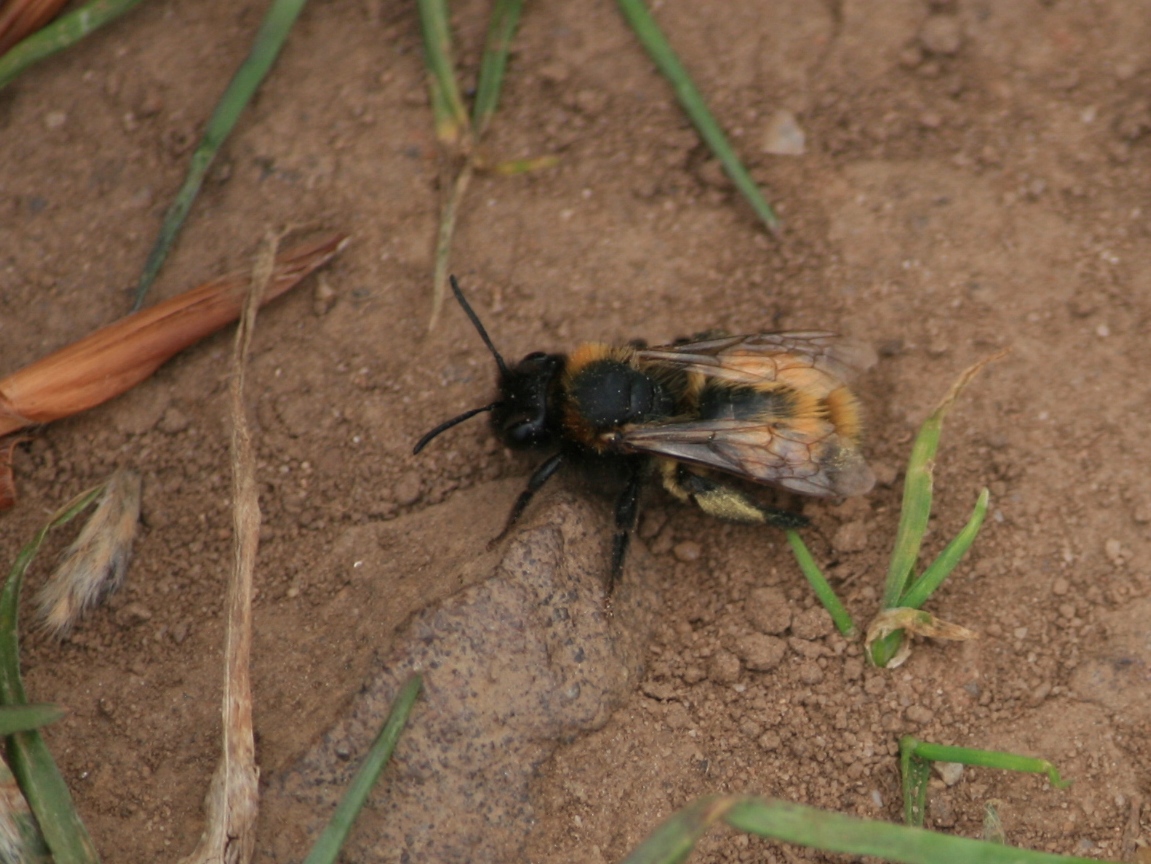
Mining Bee spp. Seen near Upper Holloway. 

After crossing a few sheep fields, as the clouds parted I joined the curving path from the road to the memorial and the trig point. The smell of may blossom filled the air. A Spotted Flycatcher and a pair of Bullfinch were about. I crossed the tracks of the Crich Tramway village, where, in different times, preserved trams take visitors on short rides.

Spotted Flycatcher at Crich. 


Now I must confess I hadn't known what the Pepperpot building which looks down on Matlock and Cromford from its commanding hilltop to the East actually was. A distinct landmark, unknown. It is a memorial to the soldiers of the Sherwood Foresters, a British Army regiment whose soldiers hailed from the Midlands. The men of the regiment served bravely in the First and Second World Wars, the unit's name is inscribed on many a war memorial hereabouts.   The memorial can be seen for several miles, and the views from the hill are commanding. Belper, Derby and the wider countryside spread out below me. I wasn't the only one there. A couple embraced on the grass beside the memorial. A sombre looking man respectfully took down the flags which flew at the site entrance for safe keeping as evening approached. 

View from Crich. 

Sherwood Foresters Memorial. 


I hung out with a handsome crow for a while, and had my lunch, and drank in the expansive vista, and some tea, and then I headed down again, via further woodland, where some fellow walkers were looking for a site used in the filming of the Children's drama 'Stig of the Dump.' I regret only the book was a part of my childhood, the 1981 and the 2002 versions both neatly avoiding me. 


Did Stig of the Dump wander among these Ramsons? 


I reached the Cromford Canal again as the sun was setting, and walked back, fish spotting. A huge, lone Perch, a neatly striped fish with two big dorsal fins more familiar as shoaling juveniles, big enough to be an ambush predator, hung motionless in the water. A few hundred yards on, I watched a Little Grebe fishing in the clear water, astounded by the speed they can do underwater. My word those things are fast. The terrors of the minnows. Clouds of Mayflies were hatching and danced in the evening sun over the water. 

Mallard on Cromford Canal. 

Mayfly Hatch on Cromford Canal. 

As I strolled back over the hills I reflected on how far I had just walked. 


Birds Seen: Canada Goose, Mallard, Tufted Duck, Little Grebe, Buzzard, Moorhen, Black Headed Gull, Lesser Black Backed Gull, Woodpigeon, Jay, Magpie, Jackdaw, Carrion Crow, Raven, Blue Tit, Great Tit, Swallow, House Martin, Long-Tailed Tit, Chiffchaff, Blackcap, Wren, Nuthatch, Blackbird, Song Thrush, Mistle Thrush, Spotted Flycatcher, Robin, House Sparrow, Dunnock, Grey Wagtail, Pied Wagtail, Chaffinch, Bullfinch, Goldfinch. 

Not Birds Seen: Brown Hare, Rabbit, Grey Squirrel, Brown Rat, Perch, Common Blue Damselfly, 

18th May 2020

Wirksworth to Carsington 

On a greyish, intermittently breezy day, I made my way via Stoney Wood, where abundant Dingy Skipper were on the wing despite the weather. There were a few fledgelings about, as Spring turns into Summer, a brood of robins up on the top path.  I continued down to Carsington, where the visitor facilities remained closed, that now familiar refrain, 'due to the Pandemic.' However a public footpath skirts the South-Eastern bank of the lake, according to my OS Map, and who am I to doubt it. It was curious to see the area around the visitor centre so abandoned, car parks empty and fenced off, Stones Island with its sculptures unattended, and the grass, normally host to families, noisy youngsters and playful dogs, now totally and utterly reclaimed by Canada Geese. Though a few small crowds of humans were pootling about, as well as the odd jogger, the Reservoir seemed to belong largely to fluffy Goslings and Spotted Flycatchers.  Willow Tits had fledged youngsters, encouragingly. This is a scarce species which seems to thrive at Carsington.


This walk was among the first in which no year nor lockdown bird list ticks were had. A Great Crested Grebe floated with some striped 'humbugs,' the distinctive young of this charismatic and familiar  water bird. 

Stoney Wood Bird Sightings: Jay, Jackdaw, Great Tit, Swallow, Nuthatch, Robin + Fledgelings, Goldfinch (Singing) 

Stoney Wood Butterfly Sightings: Dingy Skipper (5), Green Veined White (2) 

Carsington Water Bird Sightings: Canada Goose, Barnacle Goose, Greylag Goose, Mute Swan, Gadwall, Mallard, Great Crested Grebe, Grey Heron, Cormorant, Buzzard, Moorhen, Coot, Oystercatcher, Lapwing, Black Headed Gull, Common Gull, Lesser Black Backed Gull, Woodpigeon, Swift, Great Spotted Woodpecker, Magpie, Jackdaw, Carrion Crow, Willow Tit (+Fledgelings), Blue Tit, Great Tit, Skylark, Sand Martin, Swallow, Long-Tailed Tit, Chiffchaff, Reed Warbler, Whitethroat, Blackbird, Song Thrush, Spotted Flycatcher, Robin, Redstart, Dunnock, Pied Wagtail, Meadow Pipit, Chaffinch, Bullfinch, Goldfinch, Reed Bunting. 

Mammals: Grey Squirrel, Rabbit. 

Butterflies: Large (Cabbage) White, Green Veined White, Brimstone. 

19th May 2020

A Stroll to Bolehill (Contains description of predation) 

A breif hour or so out of the house in beautiful sunshine brought the unexpected. Beneath an old, gnarled Oak tree beside the footpath, a few small birds were feeding on the ground, a typical mixed crowd of tits and finches. A Great Spotted Woodpecker dropped in, I assumed to join them in preying in whatever small insects could be found there. Repeatedly it stabbed the ground, as the smaller birds took flight, chattering, and then it was up, with a small dead bird in its bill. Downy feathers drifted on the breeze. The bird, a Great Tit, was unceremoniously hammered into a crack in the bark by the Woodpecker's bill. The Woodpecker returned twice during the following ten minutes or so to peck at the carcass. An adult Great Tit was in the area with a food parcel for its youngster, one can but hope others survived. Passerine alarm calls abounded throughout.  Woodpeckers are not unknown to take young birds, hammered out nest boxes are a telltale sign of Great Spotted Woodpecker predation, but this was the first time I had witnessed it with my own eyes, and not of nestlings either, but of a fledgeling.

Distant view of the Woodpecker enjoying its meal. 


Plenty of other birds were busy with the business of raising chicks. Blue Tits fed chicks in a nest box on the wall of a house in Bolehill Village. A newly fledged Woodpigeon hassled a weary looking parent for food in a street tree, and robins were busy stuffing invertebrates into the yellow gapes of speckled fledgelings.


Friendly Sheep


I returned to the path beside the farm buildings, Ash Tree Farm or some such, and passed through a field of friendly sheep.  As I crossed the Ecclesbourne Valley Railway, a Sparrowhawk flew over, a kill in its talons. Swifts whistled joyously in the clear blue sky, themselves predators on the aerial 'plankton.' 

Birds Seen: Sparrowhawk, Woodpigeon, Swift, Great Spotted Woodpecker, Magpie, Jackdaw, Carrion Crown, Coal Tit, Blue Tit (+nest w/ young) Great Tit (+Fledgelings, one eaten by GSWP) Swallow, Blackbird, Robin (+Fledgelings) Dunnock, Chaffinch, Goldfinch


Saturday, 24 October 2020

Lockdown Walks, a Retrospective. 9th-15th May

 9th May 2020

Cromford, Groaning Tor, Middleton Top. 

I strolled from Wirksworth up through the National Stone Centre and around Gang Mine Nature Reserve, where the mountain pansies bloomed, vivid yellow. The swifts were now abundant, with plenty of birds screaming and whistling through the heavens and over the undulating mining landscape of lead spoil and ancient workings.


Mountain Pansies at Gang Mine


Bluebells at Rose End Meadows.


I continued via the Dene Quarry footpaths, where I had a fleeting glimpse of a butterfly which may have been a wall, and through a Rose End Meadows, now carpeted with bluebells. Surprisingly, having seen it alive with migrants not too long ago, it was now fairly bird quiet, and I descended via a disconcertingly steep path to the small river beside the Via Gellia, before ascending through wet grassland and woodland to a rocky escarpment, called 'groaning tor' on my OS map. I found it rather impressive. I picked up the path to Middleton, and saw more of the apparently locally ubiquitous Redstarts, and was briefly confused by a horse in a zebra costume. A friend tells me the stripes deter biting flies, hypothesised as one possible advantage of the markings of real zebra.

Horse in a Zebra Costume. 


I reached Middleton, and decided to pick up the 'circular walk from Middleton Top.' This crosses more farmland, young woods of hawthorn, birch and blackthorn, and boasts lovely views across the valley. A Brown Hare was in the farmland, watching attentively, but not fleeing. In the Hawthorn woods the Wood Anemone had begun to go over, some of the white-pink blooms beginning to wilt or brown, but they were still an impressive carpet. I rounded the woods and joined a disused entrance track. after a few wrong turns, and impressive views of some remarkable disused quarry equipment, tunnels hewn into rock, I reached the loops' road section. This section of road could be a challenge to walkers on a busy day when the quarry lorries are on the move.
A tractor appeared to be spraying fertiliser on the fields above. Small Tortoiseshell butterflies, many of then slightly tatty from age basked on the dry stone wall, occasionally taking off to flirt with each other, or even a passing female Peacock Butterfly.

Small Tortoiseshell


I walked across middleton moor and descended once again via the National Stone Centre. 

Birds Seen: Buzzard, Black Headed Gull, Stock Dove, Woodpigeon, Collared Dove, Swift, Great Spotted Woodpecker, Jay, Magpie, Jackdaw, Blue Tit, Great Tit, Skylark, Sand Martin, Swallow, Chiffchaff, Blackcap, Whitethroat, Blackbird, Mistle Thrush, Robin, Redstart, Dunnock, House Sparrow, Pied Wagtail, Meadow Pipit, Chaffinch, Linnet, Goldfinch. 

Mammals: Brown Hare, Rabbit.

Butterflies Seen: Peacock, Brimstone, Green Veined White, Orange Tip, Speckled Wood, Dingy Skipper, Small Tortoiseshell. 


11th May 2020

Wirksworth and Bolehill

I took a bimble up the hill to the trig point on Cromford Moor, and strolled along a trail marked out by blue posts, passing relaxed cattle, moving between regenerating moorland on clearfelled forestry land, and young and mature pine plantation. Willow Warblers and Chiffchaffs were busy among the pines. Swifts zipped about ahead of the weather under an increasingly angry sky, which changed rapidly between blue, and the colour of old lead. I even enjoyed a brief hail shower. 
Cromford Moor is an interesting little patch. Though no access is marked on the OS map it is entirely possible to walk round it, and many do. Worth more of my attention, this spot, I think. 

Birds Seen: Mallard, Buzzard, Black Headed Gull, Herring Gull, Swift, Jackdaw, Carrion Crow, Coal Tit, Great Tit, Swallow, Willow Warbler, Chiffchaff, Whitethroat, Wren, Blackbird, Song Thrush, Robin, Grey Wagtail, Pied Wagtail, Goldfinch. 

12th May. 

Stoney Wood

I took a very brief stroll at Stoney Wood in the afternoon. A beautiful pair of Bullfinch foraged together. Bullfinch are almost always seen in pairs. They are rather romantic like that, foraging together as a pair even during the breeding season. 
Jackdaws flew over carrying nesting material, perhaps for mid season repairs or ahead of a second brood. Corvids breed early. In the low scrub lurked a small, brown, speckled creature, my first fledgeling Robin of the season. Robins, presumably the parents of this little youngster, squabbled with goldfinches over the bird feeders in a neighbouring garden. 

Birds Seen: Black Headed Gull, Woodpigeon, Swift, Jackdaw, Coal Tit, Great Tit, Long Tailed Tit, Chiffchaff, Nuthatch, Blackbird, Robin, Dunnock, Bullfinch, Goldfinch. 

Mammals: Grey Squirrel. 

13th May

Wirksworth-Alport-Idridgehay Envrions. 

A stroll up to Knob Lane was taken in search of Curlew, which I had encountered up here a few days earlier. Not sight nor sound of these melodious and enigmatic waders was had. I took the footpath down into the Amber Valley behind Alport Heights, where a Red Kite, a rather special lockdown 'tick' soared overhead. These magnificent birds are comeback kings, common scavengers even in cities 200 years ago, before they were methodically exterminated, reduced to a tiny population in North Wales by the mid 20th century, where sympathetic landowners allowed them to thrive quietly, then reintroduced, most famously in South Oxfordshire but at several sites in England and Scotland, at the close of the 20th century. When I was a kid they defined the rare and persecuted raptor. Now they are breeding in almost every English county, and there are records of them from Central London. Mobbed by crows this magnificent scavenger floated above the mid Derbyshire Countryside, as if his species had never left. He was a joy to see.


Red Kite near Alport Heights


Moving from the Derbyshire Dales to the Amber Valley, the quality of footpaths rather declined. It is unclear whether this is the result of differing priorities between the councils, or differing landowner attitudes, but the change across this political boundary was notable and distinct. Eventually I found the Ecclesbourne Way, a route promoted by the Ecclesbourne Valley heritage Railway, and walked beside the brook. Agricultural runoff rendered the brook somewhat cloudy, and it proved disappointing in terms of birds, though a magnificent Grey Heron took flight. I ascended again through the beautiful Gibbet Wood, the light of a fading sun peering between the trees, a tiny brook babbling its progress down to the Ecclesbourne. 

I descended via New Buildings and Gorsey Bank, the Dandelion fields now fully gone to seed, spherical 'clocks' of grey fluff replacing the yellow blooms. I continued through Folly Well to Gorsey Bank, and back into Wirksworth


Birds Seen: Grey Heron, Red Kite, Buzzard, Black Headed Gull, Lesser Black Backed Gull, Stock Dove, Woodpigeon,  Collared Dove, Swift, Magpie, Carrion Crow, Blue Tit, Great Tit, Skylark, Swallow, Chiffchaff, Whitethroat, Wren, Nuthatch, Blackbird, Song Thrush, House Sparrow, Pied Wagtail. 

Mammals: Brown Hare, Rabbit, Grey Squirrel. 

14th May 2020

Bolehill Environs

I took a stroll up to Bolehill and around the blue trail once again, on a gloriously sunny evening. Meadow Pipits sang in stereo from every dead tree and stump among the recovering moorland, in the golden light. Their chorus was joined by truck horns and distant rumbles, shattering the tranquility of the moors. It was Thursday, and the truck horns someone's thoughtful contribution to the weekly applause for the NHS and carers.

Meadow Pipit singing on Cromford Moor. 


Birds Seen: Buzzard, Woodpigeon, Sift, Wagpie, Jackdaw, Coal Tit, Blue Tit, Great Tit, Swallow, House Martin, Long Tailed Tit, Willow Warbler, Chiffchaff, Whitethroat, Blackbird, Song Thrush, Robin, Dunnock, Meadow Pipit, Chaffinch, Goldfinch. 

15th May. Wirksworth to Kirk Ireton. 

Natalie and I made our way down through Miller's Green, down to Kirk Ireton via the footpaths associated with Dark Lane, on a bright afternoon. My route through the fields and Half Moon Lane was deemed unduly circuitous. We passed plenty of Pheasants and saw some Red Legged Partridges, and buzzards soared. So many of the passerines we saw were now carrying food parcels to hungry chicks. We could hear the peeps of nestlings too, many of them now well grown. Chiffchaffs and Whitethroats were vociferous. Unfortunately the farmers had been out spraying again, and many of the fields close to Kirk Ireton bore its wilted signature. However this did not seem to have immediately affected the birdsong. 

On the pond near Miller's Green, a carp fishery, were baby Moorhens, and worker Early and Buff Tailed bumblebees, the small 'baby bees' which appear at this time of year, were busy on any thistles. A Nuthatch startled as it flew from a garden feeder past my face, a blue-grey flash across my field of vision. A newly fledged House Sparrow was looking for the power of flight, testing its wings on short hops from the ground near Haarlem Mill, and Swifts wheeled and whistled overhead.


Song Thrush. 


Birds Seen: Greylag Goose, Mallard, Red Legged Partridge, Pheasant, Buzzard, Moorhen, Woodpigeon, Swift, Magpie, Carrion Crow, Blue Tit, Swallow, Chiffchaff, Blackcap, Whitethroat, Wren, Nuthatch, Starling, Blackbird, Song Thrush, House Sparrow, Dunnock, Bullfinch, Greenfinch, Goldfinch.