 |
| Orange Tip Butterfly at National Stone Centre. |
A stroll was taken from the front door, up through Stoney Wood, where Peacock Butterflies were abundant, through the abandoned quarry, and up the fields to Middleton Top. Near Middleton Top stand some old farm buildings, and here a male Redstart sang from the top of some Gorse. I crossed Middleton Moor, where a friend had advised me his daughter had seen a Wheatear a few days before.
 |
| Cowslips. |
Middleton Moor is not a Moor at all, but instead a gentle hill of close grazed grassland, well used by walkers, which in April is alive with yellow Cowslips, and from its Trig Point it offers commanding views of the area.
Birds Seen: Pheasant, Buzzard, Woodpigeon, Stock Dove, Kestrel, Jackdaw, Coal Tit, Blue Tit, Great Tit, Skylark, Long Tailed Tit, Chiffchaff, Wren, Blackbird, Song Thrush, Robin, Redstart, Dunnock, Meadow Pipit, Bullfinch, Goldfinch.
Butterflies Seen: Orange Tip, Small Tortoiseshell, Peacock, Small White.
 |
| Small Tortoiseshell Butterfly. |
Stoney Wood-Middleton-Ible-Limestone Way-Bonsall-Middleton 11th April 2020
A relatively long one this time, crossing Stoney Wood and walking to the edge of the 'White Peak' section of the Peak District National Park at Ible. Industry and industrial archaeology is in evidence here with active and disused quarries on the way. The weather was hot and sunny, unseasonably so.
Between the High Peak Trail at Middleton and the Via Gellia road, I crossed open farmland, mainly improved grassland managed for, and by, sheep and cattle. A Skylark sang above me and Swallows hawked around some farm buildings, but wildlife was not abundant. Closer to the road which was set in a steep sided valley, woodland grows, but birds seemed relatively few. The steep footpath to Ible had discouraging notices on it, politely requesting walkers to 'consider alternative routes' on account of the Covid 19 crisis, so a nervous jog along the Via Gellia, impossible in times of normal traffic, was required. Ible village seems to be a motley collection of particularly untidy farm buildings, dilapidated and piled high with agricultural rubbish, but Linnets were up there, busy and active, and a new species for the Lockdown List. These chestnut backed finches, the males displaying in summer bright red 'bleeding heart' chest markings, are emblematic farmland birds and seem to be a summer visitor to these parts.
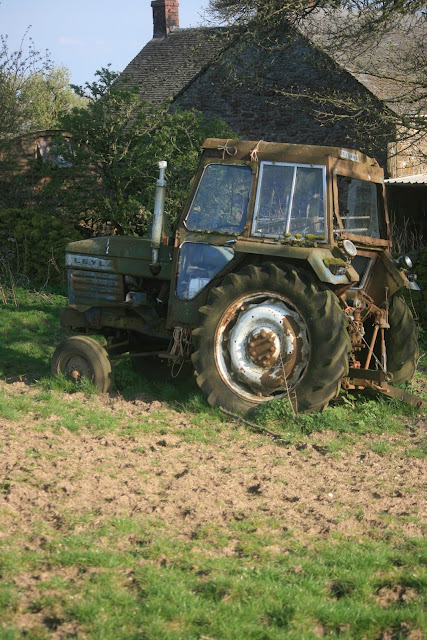
I found the Limestone Way, which took me across more picturesque and gently undulating farmland. I neglected the two turnings for more direct routes home, the first in optimism and enjoyment of the butterflies, the second in error. I crossed an interesting patch of scrub, described somewhat worryingly on my OS map simply as 'shafts.' In addition to the common and vocal passerines and a few Small Tortoiseshells, it held several scars and capped mineshafts, dating back presumably several hundred years.
Eventually I found myself in Bonsall, under a glorious summer sky, stood beneath the lovely old village church. Despite being picturesque this was something of a navigational error, but I found the narrow road to the village of Slaley, and found the steep, descending footpath toward the Via Gellia. The early Bluebells were gorgeous, and not yet open to their full glory. Eventually I found my path blocked by a fallen tree, which moved ominously at the slightest touch. Not fancying surfing or being dragged down to the busy road on or under a sliding, rootless Beech I retraced my steps to Slaley, an interesting collection of fairly grand old houses old and modern. From here I found a much better path, which took me down to the Via Gellia, and then I struck uphill through the woods. The Anemone flowers had closed for the night, pink heads nodding in the fading light. I reached the pavement in Middleton, which took me all the way home, in twilight. I had cut it very fine indeed.
Birds Seen: Pheasant, Sparrowhawk, Buzzard, Woodpigeon, Collared Dove, Stock Dove, Great Spotted Woodpecker, Kestrel, Jay, Magpie, Jackdaw, Rook, Carrion Crow, Blue Tit, Great Tit, Skylark, Swallow, Long Tailed Tit, Willow Warbler, Wren, Nuthatch, Robin, Redstart, Blackbird, Song Thrush, Mistle Thrush, Pied Wagtail, Meadow Pipit, Chaffinch, Linnet, Goldfinch.
Butterflies seen: Peacock, Orange Tip, Green Veined White, Brimstone, Large White, Small Tortoiseshell
National Stone Centre, Gang Mine, Rose End Meadows, Black Rocks. 14th April 2020.
Another bright sunshiney day, another sunny stroll out of the front door, taking in three local Nature Reserves and the environs of Dene Quarry, walking along its Eastern fringe, parallel to Cromford Hill. Here the common passerines were abundant, with vocal Wrens and Blackcaps especially plentiful.
Rose End held no new passage migrant surprises but was floral and pleasant. The pond, which in previous years has held good Dragonflies and Amphibians, seemed unfortunately to have become somewhat silted up and appeared relatively lifeless. A Peregrine hunted overhead, circling on the thermals.
I walked up the steep path through woods and fields, taking in impressive views, up to Black Rocks, and descended via the now familiar path through Bolehill. Siskins, streaky green and yellow seed-eating finches associated with Northern and Upland woodland, were on garden feeders in Bolehill.
I walked down from Middleton top via the National Stone Centre, where I enjoyed beautiful close views of a female Orange Tip (Anthocharis cardamines) butterfly. Named for the male, whose dayglow orange wingtips are conspicuous, the female lacks these, but still has a beautiful pattern of dappled green, like sunshine on a mossy forest floor rendered in miniature, on the underside of her hindwing. She was ovipositing, laying a single egg on each Cuckoo Flower plant. A wise move, for Orange Tip larvae will readily turn cannibal on encountering another of their kind. She was confiding and elegant, a sweet bug, and photogenic.
I went on my way as the light took on golden tones.
Birds Seen: Pheasant, Buzzard, Kestrel, Magpie, Jackdaw, Raven, Coal Tit, Blue Tit, Great Tit, Skylark, Chiffchaff, Willow Warbler, Wren, Blackbird, Mistle Thrush, Robin, Redstart, Pied Wagtail, Meadow Pipit, Goldfinch,
Butterflies Seen: Brimstone, Small Tortoiseshell, Peacock, Green Veined White, Orange Tip.
A relatively long one this time, crossing Stoney Wood and walking to the edge of the 'White Peak' section of the Peak District National Park at Ible. Industry and industrial archaeology is in evidence here with active and disused quarries on the way. The weather was hot and sunny, unseasonably so.
Between the High Peak Trail at Middleton and the Via Gellia road, I crossed open farmland, mainly improved grassland managed for, and by, sheep and cattle. A Skylark sang above me and Swallows hawked around some farm buildings, but wildlife was not abundant. Closer to the road which was set in a steep sided valley, woodland grows, but birds seemed relatively few. The steep footpath to Ible had discouraging notices on it, politely requesting walkers to 'consider alternative routes' on account of the Covid 19 crisis, so a nervous jog along the Via Gellia, impossible in times of normal traffic, was required. Ible village seems to be a motley collection of particularly untidy farm buildings, dilapidated and piled high with agricultural rubbish, but Linnets were up there, busy and active, and a new species for the Lockdown List. These chestnut backed finches, the males displaying in summer bright red 'bleeding heart' chest markings, are emblematic farmland birds and seem to be a summer visitor to these parts.

I found the Limestone Way, which took me across more picturesque and gently undulating farmland. I neglected the two turnings for more direct routes home, the first in optimism and enjoyment of the butterflies, the second in error. I crossed an interesting patch of scrub, described somewhat worryingly on my OS map simply as 'shafts.' In addition to the common and vocal passerines and a few Small Tortoiseshells, it held several scars and capped mineshafts, dating back presumably several hundred years.
 |
| Buzzard. |
Eventually I found myself in Bonsall, under a glorious summer sky, stood beneath the lovely old village church. Despite being picturesque this was something of a navigational error, but I found the narrow road to the village of Slaley, and found the steep, descending footpath toward the Via Gellia. The early Bluebells were gorgeous, and not yet open to their full glory. Eventually I found my path blocked by a fallen tree, which moved ominously at the slightest touch. Not fancying surfing or being dragged down to the busy road on or under a sliding, rootless Beech I retraced my steps to Slaley, an interesting collection of fairly grand old houses old and modern. From here I found a much better path, which took me down to the Via Gellia, and then I struck uphill through the woods. The Anemone flowers had closed for the night, pink heads nodding in the fading light. I reached the pavement in Middleton, which took me all the way home, in twilight. I had cut it very fine indeed.
Birds Seen: Pheasant, Sparrowhawk, Buzzard, Woodpigeon, Collared Dove, Stock Dove, Great Spotted Woodpecker, Kestrel, Jay, Magpie, Jackdaw, Rook, Carrion Crow, Blue Tit, Great Tit, Skylark, Swallow, Long Tailed Tit, Willow Warbler, Wren, Nuthatch, Robin, Redstart, Blackbird, Song Thrush, Mistle Thrush, Pied Wagtail, Meadow Pipit, Chaffinch, Linnet, Goldfinch.
Butterflies seen: Peacock, Orange Tip, Green Veined White, Brimstone, Large White, Small Tortoiseshell
National Stone Centre, Gang Mine, Rose End Meadows, Black Rocks. 14th April 2020.
Another bright sunshiney day, another sunny stroll out of the front door, taking in three local Nature Reserves and the environs of Dene Quarry, walking along its Eastern fringe, parallel to Cromford Hill. Here the common passerines were abundant, with vocal Wrens and Blackcaps especially plentiful.
Rose End held no new passage migrant surprises but was floral and pleasant. The pond, which in previous years has held good Dragonflies and Amphibians, seemed unfortunately to have become somewhat silted up and appeared relatively lifeless. A Peregrine hunted overhead, circling on the thermals.
I walked up the steep path through woods and fields, taking in impressive views, up to Black Rocks, and descended via the now familiar path through Bolehill. Siskins, streaky green and yellow seed-eating finches associated with Northern and Upland woodland, were on garden feeders in Bolehill.
 |
| Chiffchaff |
Birds Seen: Sparrowhawk, Buzzard, Stock Dove, Woodpigeon, Collared Dove, Great Spotted Woodpecker, Peregrine, Kestrel, Jay, Magpie, Jackdaw, Coal Tit, Blue Tit, Great Tit, Long Tailed Tit, Chiffchaff, Blackcap, Wren, Treecreeper, Blackbird, Song Thrush, Mistle Thrush, Robin, Pied Wagtail, Chaffinch, Bullfinch, Goldfinch,
Butterflies Seen: Peacock, Orange Tip, Small Tortoiseshell, Green Veined White.
Middleton Moor Again. 15th April
More fruitless searching for the Wheatears of Middleton Moor. I strolled up to Middleton by Wirksworth via Stoney Wood, counting butterflies on the way, and then on to Middleton Moor. In the Gorse near the disused farm buildings two male Redstarts were fighting a pitched and colourful battle. The aggression was serious, not dissimilar to Robins fighting. Eventually one bird decided to beat a retreat and flew out of sight with the other in hot pursuit. I did not get to see whether he escaped.
Also in this area there were plenty of Small Tortoisehell butterflies (Aglais urticae). Butterflies adult lives are brief, and, having endured the winter fully formed and in torpor, these insects seemed well aware that time was against them. Many, after a long spell of hot weather and great activity, had already become somewhat tatty, wings frayed at the edges or with chunks missing or translucent patches, their colour sun bleached. The urge to reproduce, or to reproduce one more time both sexes can breed with multiple partners, was strong in them. Intriguingly, what I assume to be a male Small Tortoiseshell appeared to be attempting to court a female Peacock Butterfly (Aglais io), following her persistently, and touching her with his antennae every time she landed. This cross species behaviour has been reported on the internet too. I found it a curious sight. The two species are cogeneric, so perhaps the chemical and visual signals are not too different.
Butterflies Seen: Peacock, Orange Tip, Small Tortoiseshell, Green Veined White.
Middleton Moor Again. 15th April
More fruitless searching for the Wheatears of Middleton Moor. I strolled up to Middleton by Wirksworth via Stoney Wood, counting butterflies on the way, and then on to Middleton Moor. In the Gorse near the disused farm buildings two male Redstarts were fighting a pitched and colourful battle. The aggression was serious, not dissimilar to Robins fighting. Eventually one bird decided to beat a retreat and flew out of sight with the other in hot pursuit. I did not get to see whether he escaped.
Also in this area there were plenty of Small Tortoisehell butterflies (Aglais urticae). Butterflies adult lives are brief, and, having endured the winter fully formed and in torpor, these insects seemed well aware that time was against them. Many, after a long spell of hot weather and great activity, had already become somewhat tatty, wings frayed at the edges or with chunks missing or translucent patches, their colour sun bleached. The urge to reproduce, or to reproduce one more time both sexes can breed with multiple partners, was strong in them. Intriguingly, what I assume to be a male Small Tortoiseshell appeared to be attempting to court a female Peacock Butterfly (Aglais io), following her persistently, and touching her with his antennae every time she landed. This cross species behaviour has been reported on the internet too. I found it a curious sight. The two species are cogeneric, so perhaps the chemical and visual signals are not too different.
 |
| Small Tortoiseshell and Peacock (with wings closed) cross species courtship behaviour. |
I walked down from Middleton top via the National Stone Centre, where I enjoyed beautiful close views of a female Orange Tip (Anthocharis cardamines) butterfly. Named for the male, whose dayglow orange wingtips are conspicuous, the female lacks these, but still has a beautiful pattern of dappled green, like sunshine on a mossy forest floor rendered in miniature, on the underside of her hindwing. She was ovipositing, laying a single egg on each Cuckoo Flower plant. A wise move, for Orange Tip larvae will readily turn cannibal on encountering another of their kind. She was confiding and elegant, a sweet bug, and photogenic.
 |
| Orange Tip Butterfly ovipositing. |
I went on my way as the light took on golden tones.
Birds Seen: Pheasant, Buzzard, Kestrel, Magpie, Jackdaw, Raven, Coal Tit, Blue Tit, Great Tit, Skylark, Chiffchaff, Willow Warbler, Wren, Blackbird, Mistle Thrush, Robin, Redstart, Pied Wagtail, Meadow Pipit, Goldfinch,
Butterflies Seen: Brimstone, Small Tortoiseshell, Peacock, Green Veined White, Orange Tip.


